Guide to Event ROI in 2026: How to Measure and Improve it Using Event Apps
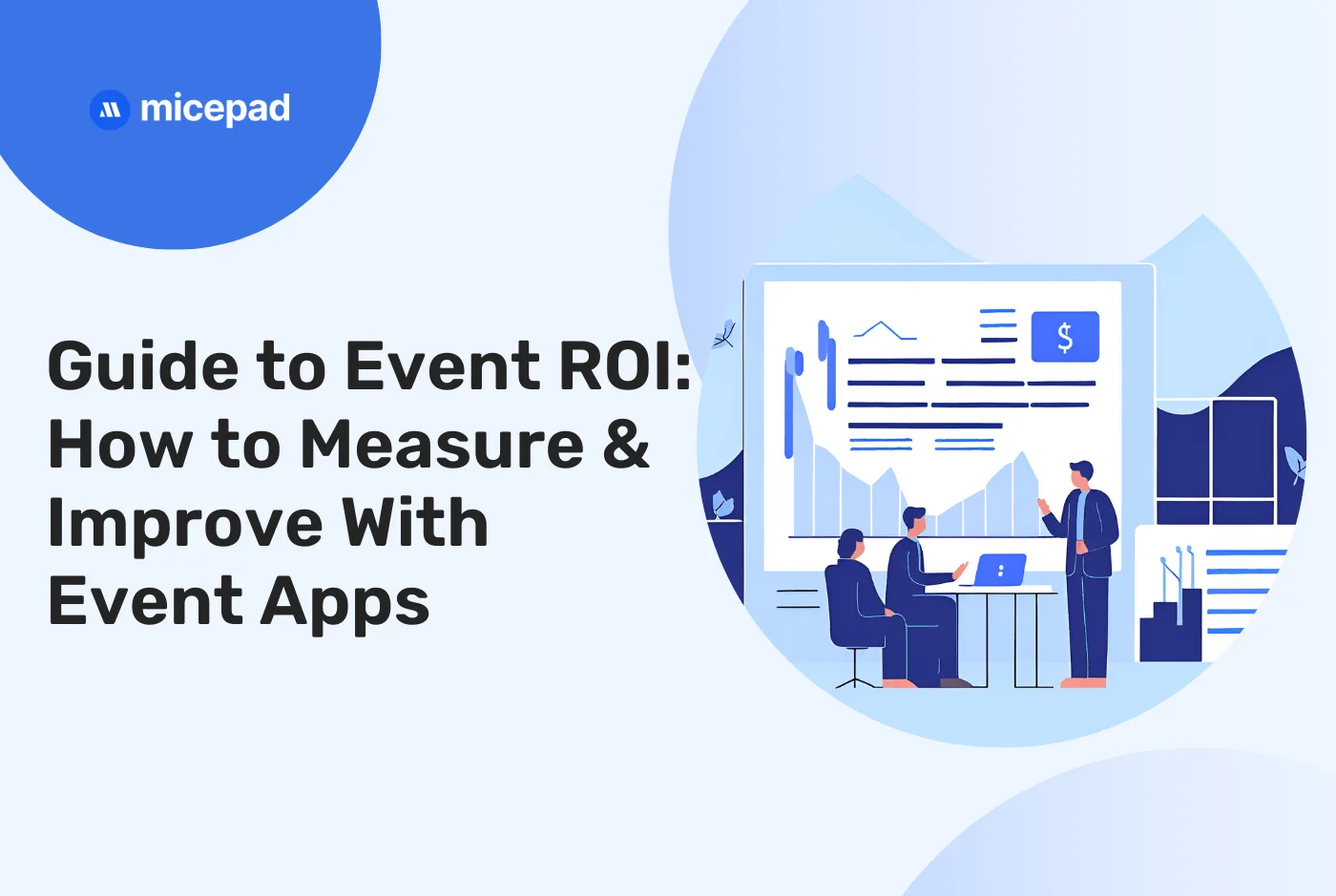
For event organisers to get larger budgets for future events, you have to prove your event ROI first. Like anyone else, the management needs to see returns before they are willing to invest more. So how do you ensure that you will get the maximum return?
One of the key ways to demonstrate your event’s ROI is by leveraging data. Event apps can play a significant role in this by tracking metrics such as attendee engagement, session popularity, and networking interactions.
What Is Event ROI?
Event ROI measures the value you gain from hosting an event compared to what you spend on it. It’s a way to gauge if your event was worth the investment.
To calculate event ROI, you’ll subtract the total cost of your event from the total value it generated. This gives you a clear picture of the event’s financial impact. But remember, ROI isn’t just about money. It can include intangible benefits like brand awareness, networking opportunities, and customer relationships.
Figuring out your event’s ROI can be tricky, especially when it comes to measuring those non-financial benefits. But don’t worry! With some careful planning and the right metrics, you can get a good handle on your event’s success. So, next time you’re planning an event, keep ROI in mind. It’s a handy way to gauge whether your event efforts paid off and how they aligned with your goals.
Event ROI Considerations
When evaluating your event’s return on investment (ROI), it’s important to weigh both the value components and cost aspects. This approach helps you understand the full impact of your event and ensures you’re getting the most out of your efforts with some quick tips to get the most out of it.
Value Components
Cost Aspects
The layout below should help understand and compare the cost elements that impact Event ROI.
Formulating Event Goals and Metrics from Business Goals
Tools to Help You Calculate Event ROI
The right tools can help you calculate event ROI more quickly as you prepare the data even when the event has not started. Here’s a guide to essential tools to help you get a clear picture of your event’s performance.
1. Marketing Platforms
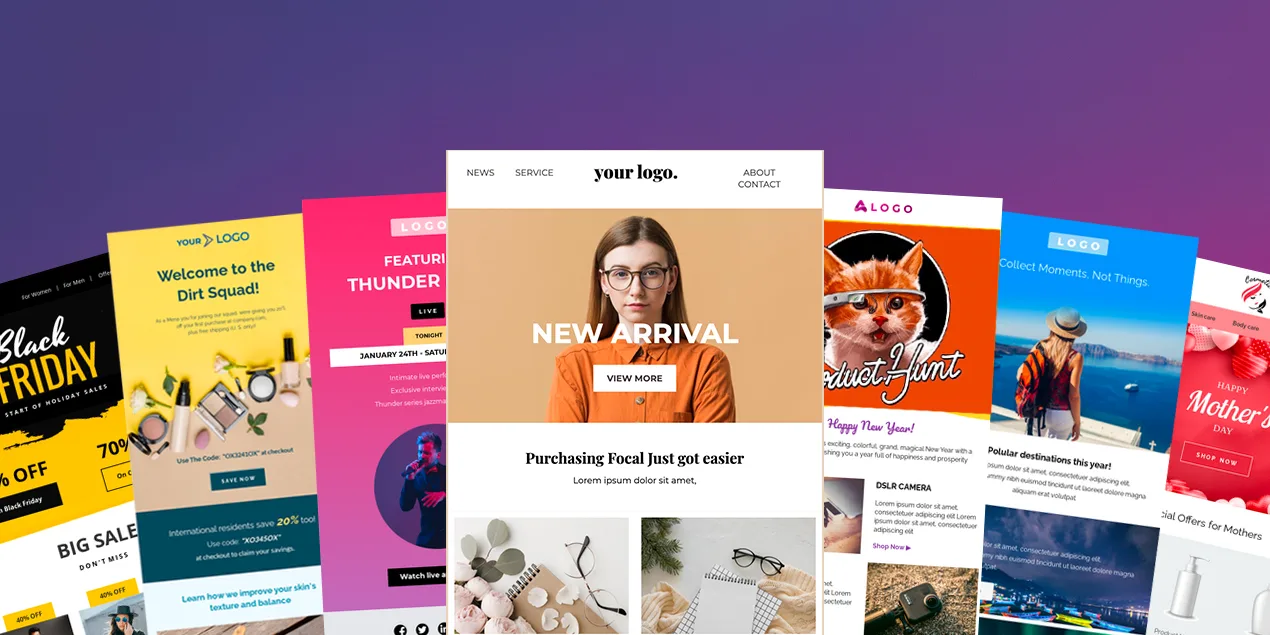
Marketing platforms are digital tools designed to promote events and reach your target audience effectively. They help you create, manage, and track promotional campaigns, ensuring your event gets the visibility it deserves.
(Credit to Unlayer)
These platforms allow you to reach a broader audience, generate buzz, and drive ticket sales. They offer features for email marketing, social media management, and targeted advertising, all of which are crucial for successful event promotion. Some of the widely used platforms:
- *Mailchimp *– Popular for its user-friendly email marketing tools.
- HubSpot – Known for its comprehensive inbound marketing features.
- *Hootsuite *– Great for managing and scheduling social media posts.
- *Google Ads *– Ideal for targeted advertising and reaching specific demographics.
2. Customer Management Relationships (CRM)
Customer Relationship Management (CRM) systems help you manage and analyze interactions with potential and current attendees. CRMs are essential for nurturing leads, managing attendee relationships, and ensuring personalized communication. They help you track interactions, follow up on leads, and enhance the overall attendee experience. Some of the widely used platforms:
- Salesforce – A leading CRM with extensive customization options.
- HubSpot CRM – Offers a free version with robust features for event management.
- Zoho CRM – Known for its affordability and extensive feature set.
- Pipedrive – Focuses on sales pipeline management and tracking.
3. Event Management Systems and Software
Event management systems and software will help you manage registrations, coordinate logistics, and track event performance. They offer features like ticketing, attendee tracking, and reporting, which are crucial for successful event execution. Some of the widely used platforms:
- Micepad – Known for its versatile features, including event registration, ticketing, and interactive event experiences.
- Eventbrite – Popular for its ease of use and ticketing capabilities.
- Cvent – Offers extensive event planning and management features.
- Bizzabo – Known for its focus on enhancing attendee engagement and event analytics.
4. Attribution Platforms
(Credit to Jeeva D on LinkedIn)
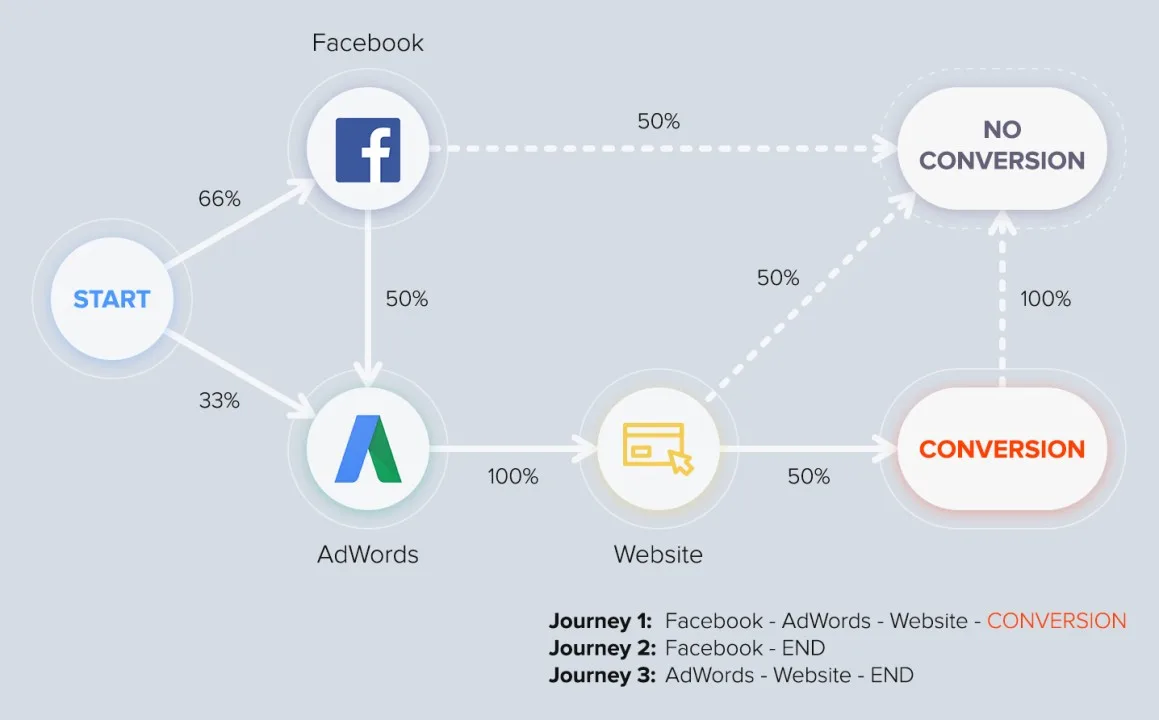
Attribution platforms analyze the effectiveness of various marketing channels and touchpoints. They help you understand how different strategies contribute to your event’s success and overall ROI.
These platforms provide insights into which marketing efforts are driving results, allowing you to allocate resources more effectively and refine your strategies for better outcomes. Some of the widely used platforms:
- *Google Analytics *– Offers detailed insights into website traffic and marketing performance.
- HubSpot Attribution Reporting – Provides comprehensive attribution reporting for inbound marketing efforts.
By leveraging these tools, you can gain valuable insights into your event’s performance, optimize your strategies, and ultimately enhance your ROI.
5 Reasons Event App Help You Increase Event ROI
If you have been attending events in the past year or so, you would have realised many events include an event app now. They are becoming a standard, something that people feel uncomfortable without. So how does event app affect you in increasing event ROI? Here’s how.
1. Reducing Cost and Increasing Productivity
Save trees and save cost. Papers are so passé. Admit it, you don’t like holding on to pieces of papers especially when you are going to be walking around the whole day. Then why would you print event agenda or brochures for your attendees? The last thing you want them to do is to dump those papers once they turn away from you.
Worse still, what if you notice a minor mistake only after you have printed it? Edit that mistake and send it for printing again? Such a waste of time. You should be spending your time more effectively doing other things that are more productive.
However, with an event app, you can definitely edit those mistakes even minutes before your event starts. Attendees can also have access to all your event information anytime they need it. More importantly, you get to reduce your printing costs significantly.
2. Increasing Sponsor Opportunities
Event management platform presents many opportunities to clinch new event sponsorship deals. You can create a sponsor page in the event app that lists all your sponsors’ information, logos and HTML links. You can even allow them to place images in the moving banner to increase their exposure.
3. Giving Attendees a Voice
What about your attendees? One of the main reasons why organisers use event apps is to drive audience engagement. As we have always seen in Q&A, only a handful will ask questions and the rest will continue staring at the speaker.

Instead, posting questions and comments can be alternatives to speaking into the microphone. This will definitely boost the event engagement and moderators will also have a better sense of the issues to address.
4. Gaining Insights to Your Attendees
I am sure all event organisers will nod their head in unison when I say event ROIs are important. In fact, you can even say that the only way to justify hosting your event is through ROI metrics.
Additionally, these key event insights help you process, understand and bring to light your attendees’ experiences. By gaining a quick understanding of their sentiments, you can relate better to your attendees. Having said that, you can use an event app to set up a live poll to populate real-time responses. You can also get your speakers to co-create their content with the attendees’ responses to build a closer community.
5. Data Analytics
Apart from gathering insights to your attendees’ sentiments, you can also ensure your event success with the real-time analytics. From reviewing discussions to identifying content with the highest viewership to retrieving reports for post-event meetings, an event app can simplify your work process while helping you to monitor event engagement.
Whether you are looking at reducing your printing costs or engaging your attendees, an event app can definitely help to fill the void of your needs. Trust me, once you get started on an event app, you will never want to organise your next event without it again. It provides so much convenience and effectiveness that can help you achieve your objectives better than before!
Conclusion
If you’re looking to elevate your events and make them more influential and revenue-generating, there’s an institution dedicated to teaching event planners and organizers how to achieve just that. Event ROI offers valuable insights and strategies to help you succeed.
Calculating event ROI might seem complex and time-consuming, but with the right tools and approach, you’ll get there. It’s a process that involves tracking numerous factors and interpreting various data points, but the insights you gain are invaluable for future planning and improving your events.
Using a robust event platform is crucial in gathering the necessary data to complete your event ROI calculation. Platform like Micepad provide comprehensive tools to manage every aspect of your event, from registration to post-event analysis. Give Micepad a try and see how it can streamline your event management and help you achieve a clearer understanding of your event’s ROI.
See the app at a real event
Read how MongoDB used Micepad's app across 10 APAC cities — 15,000+ attendees.