Effective Event Email Marketing to Boost Sales
What is email marketing? Simply put, it’s the process of marketing your products or services and directing your target audience’s attention via email. While it allows your organisation to reach out to new potential customers, it also helps to engage with your current ones. Email is one of the cheapest methods and it does generate sales. So how can you optimise event email marketing to achieve your organisation’s goals? Let’s discuss about it.
What Is Email Marketing for Events?
If you are wondering whether you need to promote your next events using email marketing or not, the answer is always yes! Email marketing for events is basically an email campaign to get the word out, boost engagement for your event, and attract the right people to join and spend their day at your events. The good thing is, it is a super effective strategy, with an amazing return on investment—$36 for every dollar you spend!
When you send event emails, you’re connecting with people who are already interested in what you do. With an average open rate of around 36,5%, these emails are a fantastic way to promote your event. And they’re not just useful before the event. After the event, you can send follow-up emails to gather feedback and keep the excitement alive for your next event.
One of the best things about email marketing is that you can send personalized messages to specific groups. Maybe you want to offer special deals to your loyal attendees or reach out to potential sponsors. You can tailor your emails to make the biggest impact. Plus, with easy-to-track metrics like open rates and click-through rates, you can see what’s working and tweak your approach to get the best out of them.
Effective event email marketing helps you increase events registrations and ticket sales, build strong relationships, and boost engagement. By timing your emails strategically and crafting engaging content, you can create excitement and drive attendance, ensuring your event is a hit from start to finish.
Types of Email Marketing for Events
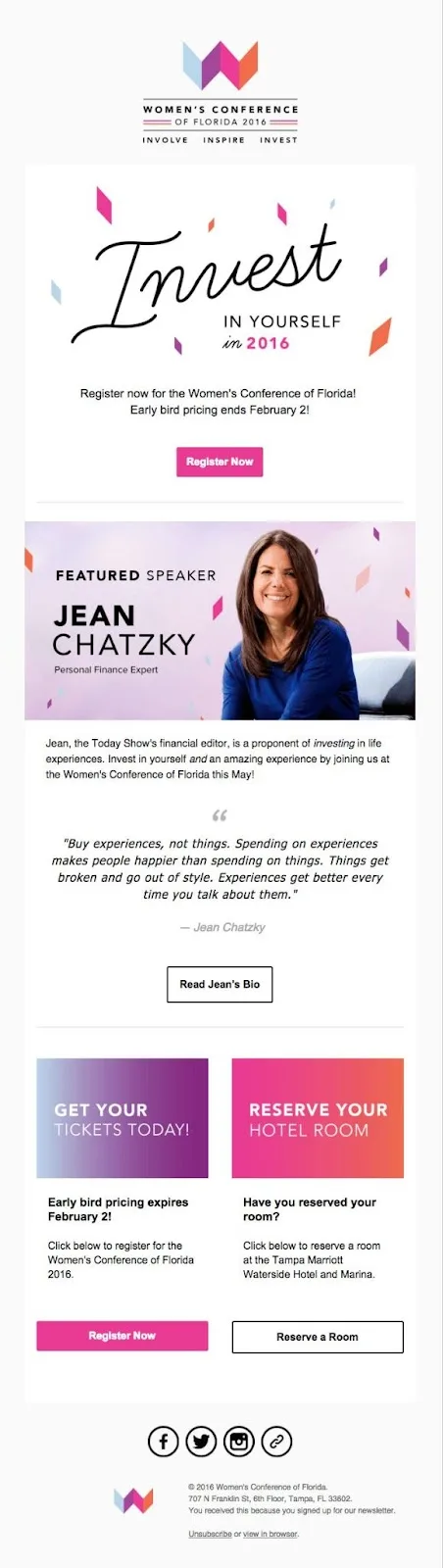
Credit: Bizzabo
Before The Event Starts
Getting people to attend your event can be a tough job, but email marketing can make it a whole lot easier. Here are three ideas to help you get those registrations rolling in and ensure your event is a hit.
1. Thank You Email
As soon as someone registers, send a warm, personalized thank you email. It’s a great way to show appreciation and confirm their spot. Plus, you can include details like the event schedule or any special instructions they might need. This helps set the stage and keeps the excitement going.
2. Countdown Reminders
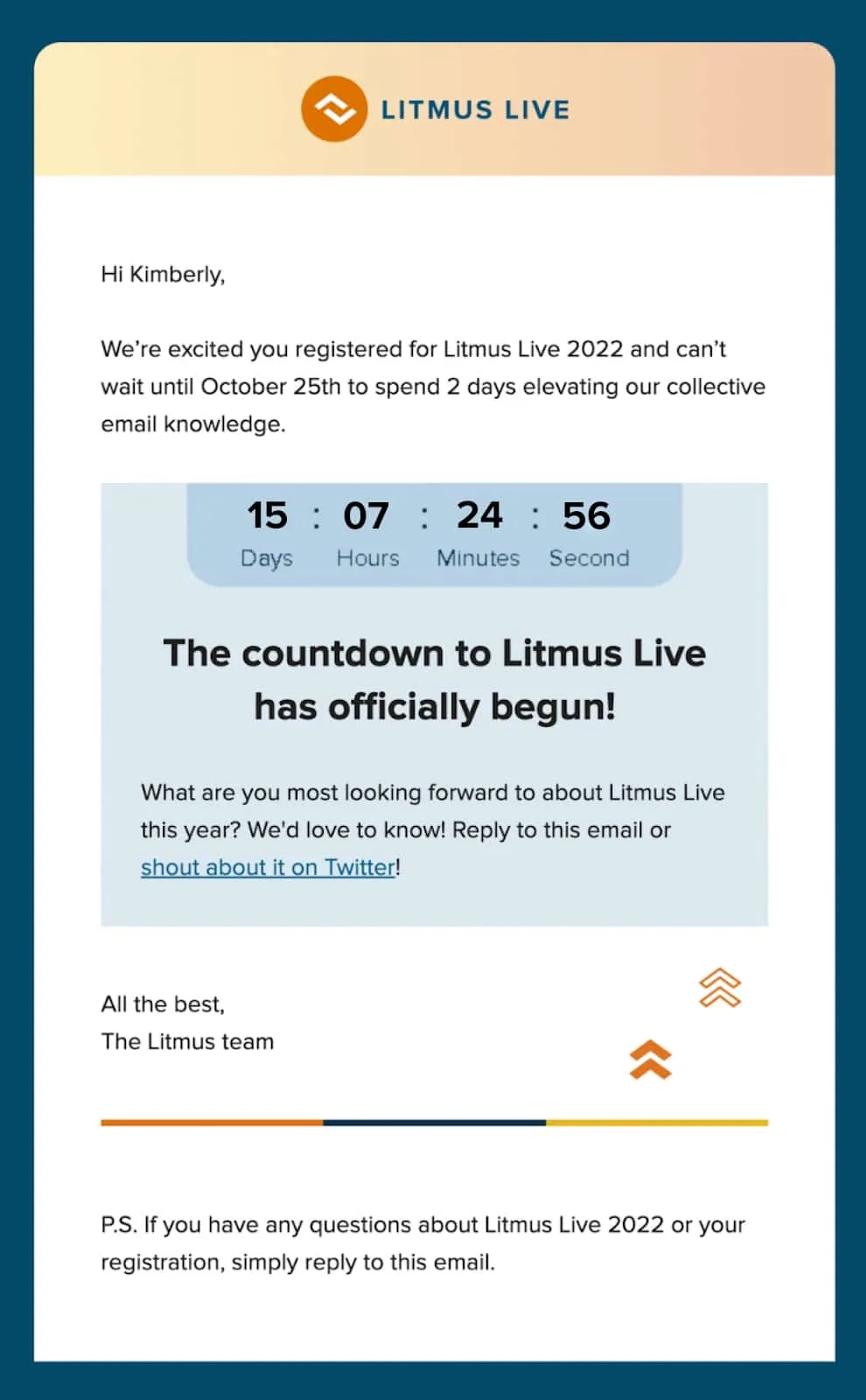
Email countdown is a great reminder for interested clients. (Credit to Litmus)
Build anticipation by sending countdown emails. For example, you can send an email saying, “Only 7 Days Until Our Big Event!” These reminders keep the event on their radar and help build excitement. You can also share highlights of what’s to come, like keynote speakers or special activities, to make them even more eager to attend.
3. Exclusive Sneak Peeks
Give your registrants a little teaser of what to expect. Maybe it’s a behind-the-scenes look at the event setup or an exclusive interview with a speaker. These sneak peeks not only create buzz but also make attendees feel special and more connected to the event.
After The Event Ends
Once your event wraps up, the work isn’t quite over yet. Sending follow-up emails is crucial to keep the momentum going and gather valuable feedback. Here are three ideas to help you nail your post-event emails.
1. Thank You for Attending
Right after the event, send a heartfelt thank you email to everyone who showed up. It’s a simple gesture that goes a long way in building strong relationships. You can also include a recap of the event and share any photos or videos to help them relive the experience.
2. Feedback Requests
Ask your attendees for their thoughts on the event. Send a feedback survey to understand what they loved and what could be improved. This feedback is gold for planning future events and shows your audience that you value their opinions.
3. Stay Connected
Encourage attendees to stay connected with your brand. You can suggest joining your mailing list for future updates, following you on social media, or even getting early access to tickets for your next event. Keeping the lines of communication open helps maintain the relationship long after the event is over.
Steps to Email Marketing for Events
Making sure your event is a success means ensuring people show up, and email marketing is your best tool to achieve that. Here’s how to effectively use email marketing to fill those seats and keep your attendees engaged.
1. Announce the Event
First things first, let people know your event is happening. If you’ve been following email marketing best practices, you should already have a segmented email list. But don’t worry if you don’t—start by sending a personalized announcement to everyone on your list. This email should include the event’s name, date, and location, and encourage readers to register.
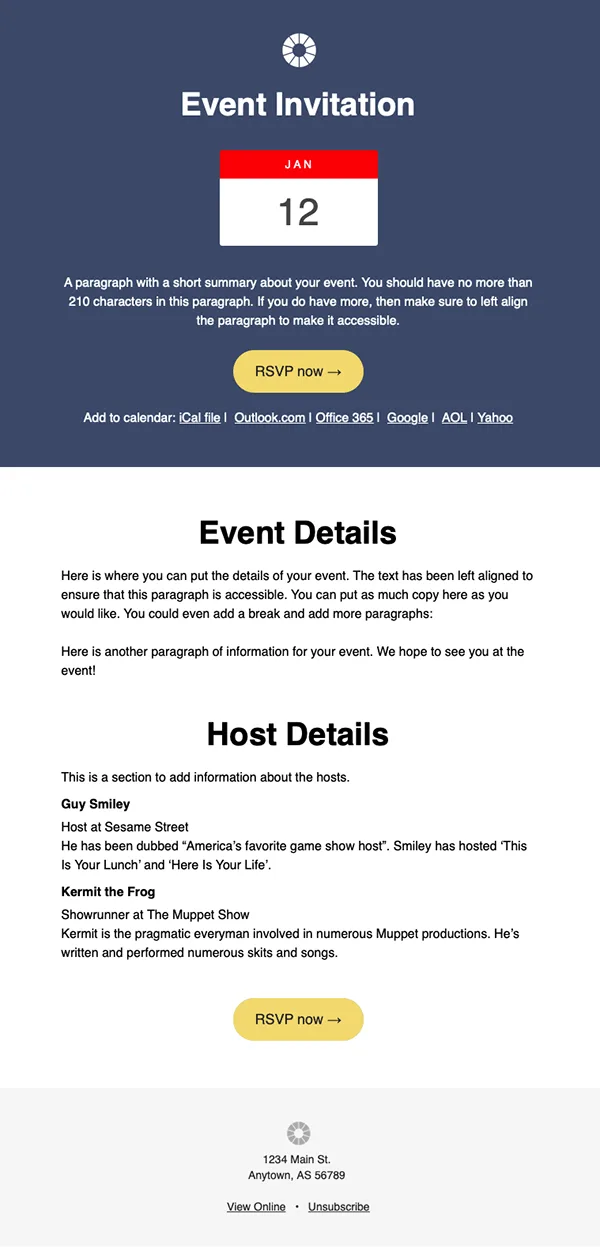
Event email marketing template by Litmus
2. Build Excitement
After your initial announcement, it’s time to keep the momentum going with a series of emails that build excitement. You may want to keep it not too often as your recipient may find it irritating.
- *Save-the-Dates: *While you’re still ironing out the details, send out a save-the-date email. This doesn’t need to be super detailed—just enough to get on their calendars.
- Teaser Videos: Share short teaser videos linked to your event’s landing page or social media. These snippets create buzz without clogging up inboxes. Add a call-to-action (CTA) asking recipients to share the video with their networks.
- *Event Reminders: *As the event date approaches, send reminders that include engaging details like speaker bios, menu options, or highlights of activities. Always include a CTA for ticket purchases or registration.
3. Engage Your Audience with Value
Offering VIP packages? Make sure your email marketing highlights the perks of upgrading. Automated VIP-specific emails can detail special access, early bidding on auction items, or exclusive events, making the extra cost worth it.
4. Address Questions and Concerns
Anticipate your audience’s needs by inviting them to submit questions through a contact form in your initial emails. Pay attention to social media queries and use this information to address potential concerns in your follow-up emails.
5. Identify Your Event Goals and Target Audience
Clearly define what you aim to achieve with your event—whether it’s launching a new product, increasing brand awareness, or establishing expertise. Identify your target audience to tailor your messaging and outreach efforts accordingly.
6. Craft Compelling Messaging
Create content that resonates with your audience. Decide if they respond better to text, videos, or images. Use this insight to design emails that catch their attention and encourage them to register.
7. Develop a Dedicated Event Website or App
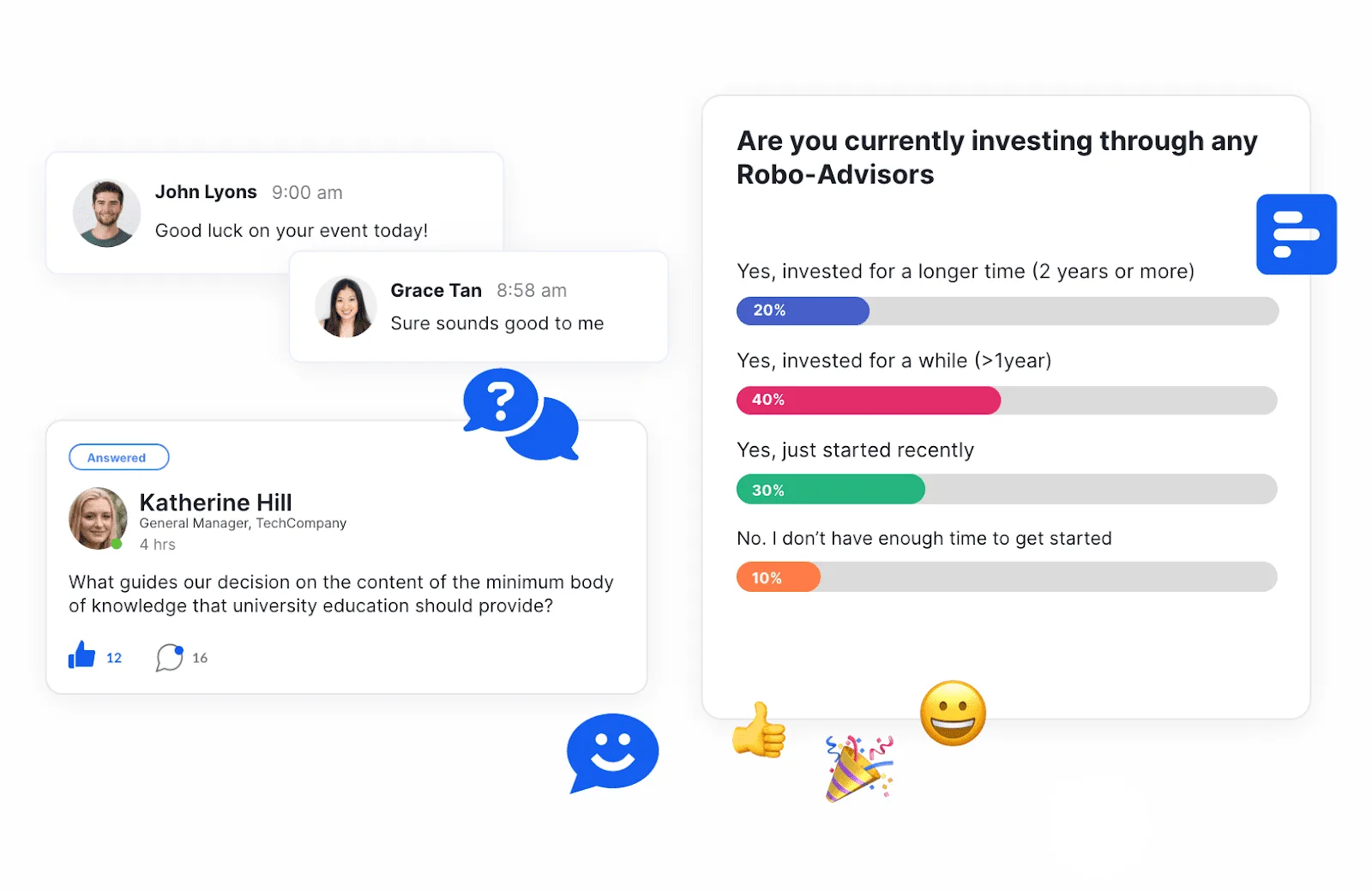
Having a central hub for your event is crucial. Create a website or mobile event app to provide all necessary information, manage registrations, and answer queries. This platform can continue to engage attendees even after the event ends.
8. Launch Your Email Campaign
With your strategy in place, it’s time to start your email campaign. Pay attention to these several things as your last step before the launching:
- Compile Your Email Lists: Ensure your contact lists are updated and segmented for targeted messaging.
- Design Your Emails: Craft engaging subject lines and compelling email content. Use templates to streamline the design process.
- Test Your Campaign: Send test emails to catch any issues before launching your campaign.
- Send the Final Campaign: Roll out your emails, ensuring you follow up with reminders and updates as the event approaches.
9. Track and Analyze Performance
Monitor key metrics like open rates, click-through rates, and registrations to evaluate the success of your campaign. Use this data to refine your approach and improve future email marketing efforts.
10. Create an Automated Workflow
There are many ways you can automate email marketing to manage ongoing communications with your attendees. You can start by enhancing your email marketing efforts with click segmentation, which groups recipients based on their interactions with your emails. This allows you to target your messaging more effectively.
Another way you can do with email marketing is by utilizing autoresponders to set up automatic replies for actions like registrations or inquiries, keeping your audience engaged without additional effort.
Implement drip campaigns to send a series of emails over time, ensuring your event stays top-of-mind. These can include countdowns, exclusive updates, and last-minute reminders, all designed to maximize engagement and attendance.
Best Practices for Events Email Marketing
Now that we see eye to eye that boosting your event turnout starts with effective email marketing. Here are a few best practices to ensure your emails grab attention and drive action.
1. Email to Help, Not to Sell
Frustrated. Annoyed. Ignored. These were probably some of the feelings that surfaced when you sent out an email but received no response. Most people send emails simply with an aim to convert their recipients into customers but people are smart, they can tell.
Your ultimate goal of sending out an email is to get them to open and read. So your subject line has to focus on them or how you can help them. Use the pronoun “you” to develop an affiliation with your recipients and if possible, include their name to deepen the connection – “Hi Alan, have you heard of Micepad?” It increases the chance of having your email opened.
2. No Right Time but The Best Time
Well, there are a lot of different articles out there but we have consolidated some of those optimal timings to send out an email. People get bombarded by lots of emails every day and most of them get overlooked. You definitely don’t want to be one of these senders.
The most read email timing is somewhere in the afternoon between 12PM to 4PM when people are having their afternoon break. Tuesdays typically have the highest average email opens. We are not saying you must send your email specifically at these timings but there should be a balance to it as well.
3. Focus on Your Content
Keep it short and sweet or as people would say, KISS. Once you have managed to get your recipients to open your email, the last thing you want them to do is to hit on the back button.
So you have to craft your content well – how can your product or service help them achieve their goals? Sometimes, a simple infographic does wonders. Just take Uber as an example. They send infographics of their deals and promotions, and clear explanation of how these deals work. Brief and straight to the point – just perfect for recipients who skim through emails.
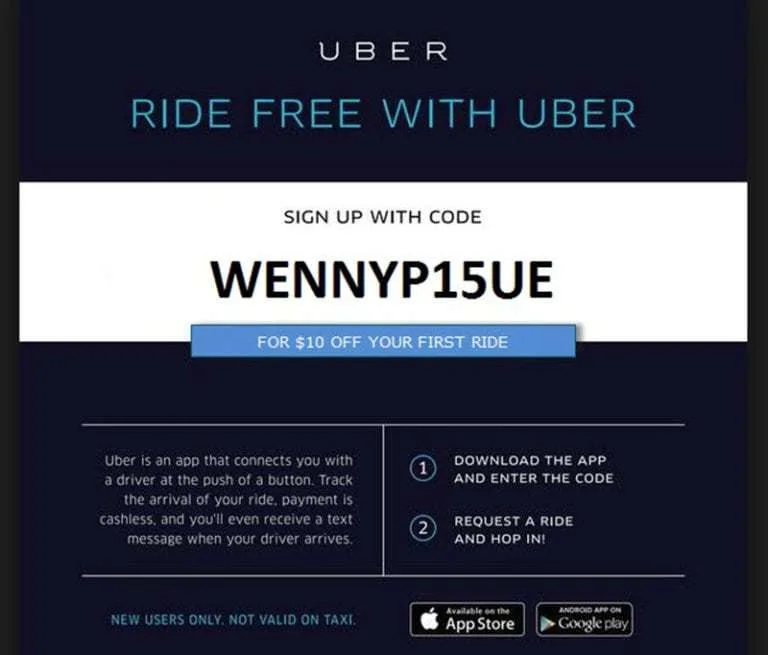
Once people have opened and read your email, then you are safe to say that more people are aware of you now. Or at least, heard of you. Should they respond to your email, then the next thing you can do is provide more details of how you can help them.
Email marketing might sound easy but balancing the bottom line of your message between helpful and hard cash is challenging.
4. Write Engaging Emails
Simply listing facts about your event won’t excite your audience. Instead, craft engaging emails that inspire people to sign up. Knowing your audience is crucial here. Segment your email list to tailor messages to different groups.
For instance, regular attendees might appreciate a nostalgic recap with photos from previous events, while newcomers could benefit from a short video testimonial showcasing what they can expect. Always think about what your readers care about and focus your message accordingly.
5. Pay Attention to Design
While your words are important, don’t overlook the design of your emails. Use a clean and visually appealing email template. However, avoid overdesigning. Your email should be simple enough for readers to quickly grasp the essential details and easily find the link to your landing page or ticket site. A well-designed email can make your event look professional and inviting.
6. Write Compelling Subject Lines
Your subject line is the first thing people see, so make it count. Keep it short and avoid overly promotional language that might send your email straight to the junk folder. Think about adding value to your reader right from the subject line. Use open-ended questions to spark curiosity and encourage openness. For example, instead of “Sign Up for Our Event Now,” try “Ready for an Unforgettable Experience?” Also, include essential deadlines in your subject line to remind readers of key dates like registration cut-offs.
By focusing on these best practices, writing engaging content, designing appealing emails, and crafting compelling subject lines, you’ll increase the chances of your emails being opened, read, and acted upon. This thoughtful approach will help you connect with your audience and boost your event attendance.
In short
Email marketing is a powerful tool for event promotion. It lets you connect directly with people who are already interested in your brand, build excitement, and drive attendance. You’ll see a big boost in your event’s success when you craft engaging content, use eye-catching designs, and write compelling subject lines. Knowing your audience and tailoring your messages makes a huge difference in creating connections that inspire action and participation.
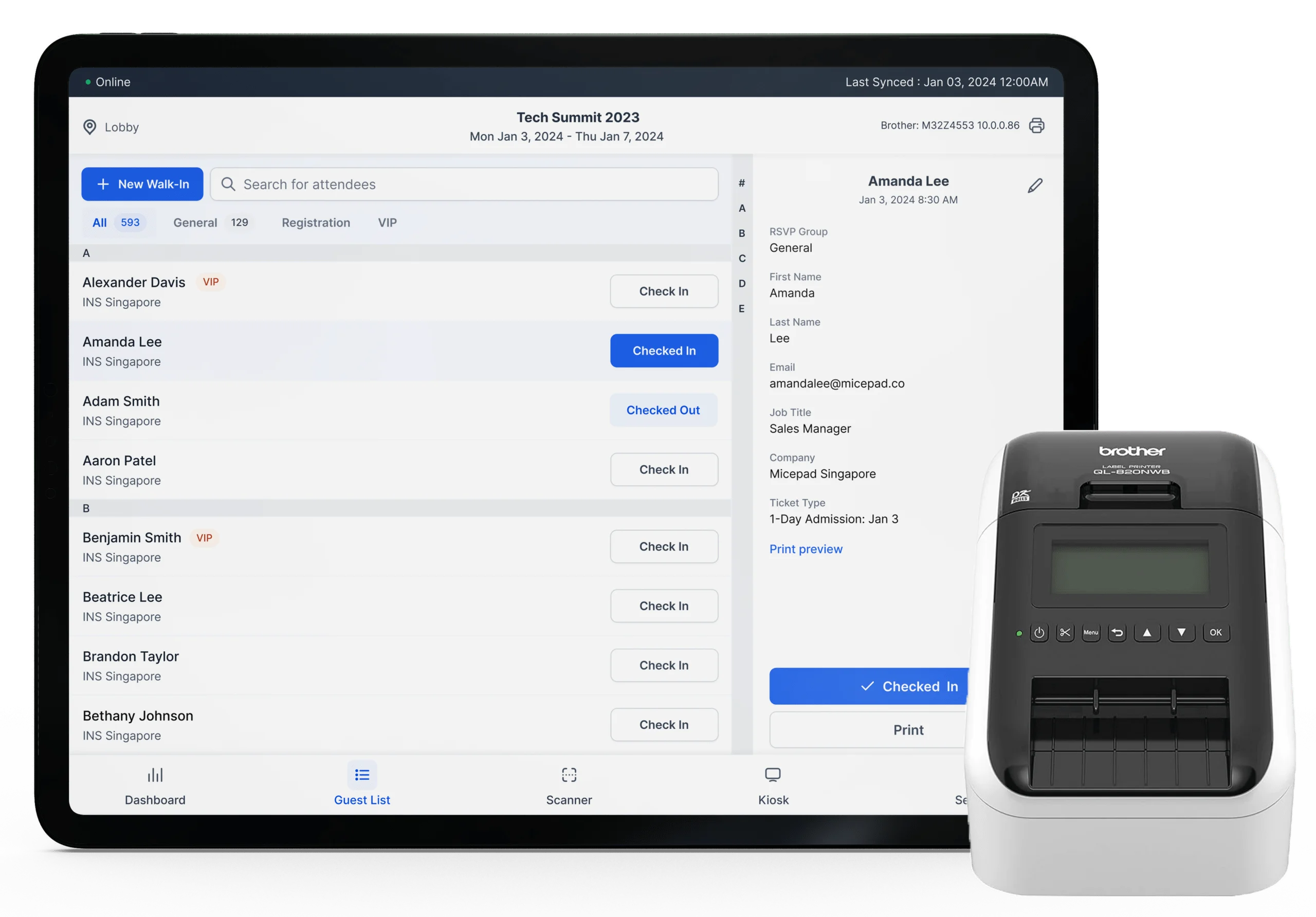
If you want to handle email notifications and reminders smoothly, try using Micepad as your trusted events platform. Micepad’s features help you manage event communications effortlessly, making sure your attendees stay informed and excited every step of the way. Give it a try, and you’ll see the positive impact on your event’s success!

Free event-tech resources
Practical guides, comparison breakdowns, and case studies — published weekly.