Top 16 Event Planning Challenges and How to Address Them All

Event planning is a superpower on its own. For one, planning something in advance to the tiniest detail requires a great deal of attention, precision and detailing. Like with every other superpower, though, there is always a kryptonite. Today, we talk about the top 16 event planning challenges that event planners face – and how you can avoid them at your next event.
1. Understaffing
No matter how long you have spent in the game, this is bound to happen from time to time.
The biggest concern here is that you won’t usually know this is a problem till the D-day. At this point, it is too late to do anything. Even if you could do something, you might not be able to ensure the new help is in coherence with the others.
Here, we recommend having a number of quality staff members on speed dial. They should be highly trained and ready to go. That way, you can always call them up at a moment’s notice if their help is ever needed.
2. Overspending
This is especially an issue with people just starting out in the business.
If there is something the expert planners have always demonstrated, it is that you don’t have to break the bank to make a great event happen. In short, sometimes, less is more.
Our top recommendation here is that you learn from experience. To fast-track the experience, though, there is nothing wrong in hiring a budgeting expert on your team. Preferably, go with one who has experience in event planning so that they can help improve your trade with their unique skill set.
3. Networking
You might not know this, but many business people are probably coming to your event because of the networking opportunities that are available to them. This means they are not as keen on the interior decoration, choice of meals over different courses and such other eye candies that you must have planned.
Of course, those add to the experience – but don’t lose sight of what’s important.
Thus, work on the networking aspect of your event. Make sure attendees know what they get – and ensure what they get is quality too.
4. Backup
Like we mentioned earlier, event planners are not time travelers, but they can almost plan the day to the minute. While that is great, it also helps to account for possible changes in circumstances which could change the plan.
A great event is one that has been planned to the letter yet being flexible enough to accommodate changes.
What happens when bad weather creeps up? Or, say, a keynote speaker doesn’t arrive on time?
Worst case scenarios should be worked into every step of the event and accounted for. This way, even the most serious of glitches will be handled without panic.
5. Lack of Experience

Before we move on, you should know one thing:
This is not a low blow to those starting out in the event planning game. In fact, it is quite the opposite.
Like any other important field, event planning is as demanding as they come. It would help to have go-to mentors, work with someone who has been in the game for a while and learn all you can before you delve into event planning at all.
6. Audience Engagement
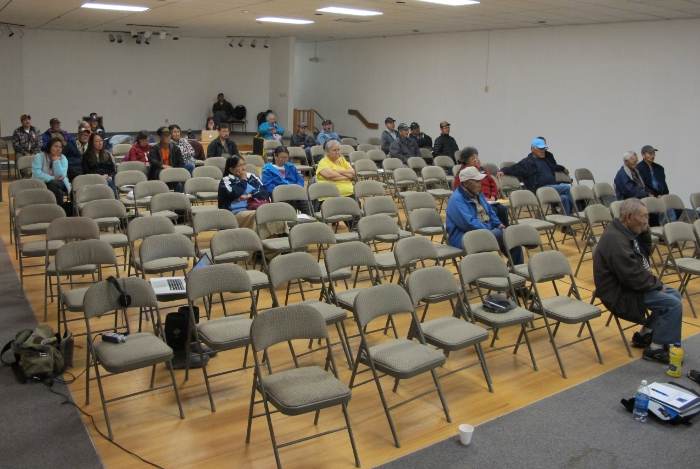
Besides networking opportunities, your audience does not want to come to that event and be bombarded with speeches and numerous talks. They also want to feel like they are part of the event, and that is where audience engagement comes in.
This can be achieved in a lot of ways, from immersive 3D experiences to Virtual/ Augmented Reality tours, and such other innovative approaches.
Believe us when we say they will go back home feeling better fulfilled than if they were just made to sit and absorb all the information being thrown their way.
7. Local Laws

This is one that happens to the best of us.
Every locale has different laws and regulations guiding event organization. Another reason why local laws are important is ensuring your event doesn’t clash with any other major local event which could derail your plans – or make it less pleasurable for the guests that would be showing up.
To avoid getting into this pickle jar, discuss local laws with the venue managers since they are better familiar with that locale. Likewise, Google is your friend in checking calendars for possible events in that area.
If you’ve got a union or association of event planners which you are a part of, reach out to someone in the region for better information.
8. Large Crowd

If there was a paradox in the world of event planning, this would be it.
On the one hand, you are happy your event marketing tactics worked so well, you now have a crowd to cater to. On the other hand, you now have to worry about controlling the crowd. By control, we mean ensuring everyone gets properly seated, attended to by the waiters and so on.
Most event planners we know will already have a planned list of attendees in mind. But then, last minute attendees are a thing too. So, ensure your plan creates room to adapt for a larger crowd if need be.
Better to be on the safe than sorry side.
9. The Little Things

Your attendees will see a well-lit hall, awesome podium. Great décor and an amazing ambience. This will usually be noted in the big things, but what they don’t know is that the smaller things count more.
However, this is something you know all too well.
An event manager should never leave the tiniest details to fate – from the soundtrack/ DJ playlist to grace the event to the kind of souvenirs attendees leave with. These contribute to the overall experience, and they will be sorely missed if you leave them out.
10. Unorganized Event Management Process
An unorganized event management process is one of the most critical challenges in event planning for several key reasons. At its core, planning and executing a successful event require a clear and systematic approach. Without this, you might struggle with defining goals, designing engaging content, selecting the perfect venue, promoting the event effectively, managing operations smoothly, and evaluating outcomes accurately.
Imagine trying to juggle all these elements without a structured plan. It can lead to poor event quality, low attendee satisfaction, and even higher costs. Essentially, without organization, you risk your event falling flat and not delivering the return on investment (ROI) you were aiming for.
How to Overcome an Unorganized Event Management Process?
To overcome this challenge, there are some practical steps you can take.
1. Utilizing project management tools or event management softwares can significantly help. These tools allow you to plan, track, and manage your event efficiently and can often integrate with other apps you might be using, ensuring everything is streamlined.
2. Creating and following a standard operating procedure (SOP) or checklist is another game-changer. Documenting these processes and sharing them with your team, clients, and vendors keeps everyone on the same page. Assign clear roles, hold regular progress meetings, and maintain effective communication with everyone involved—clients, vendors, and attendees.
3. Reviewing event data, gathering feedback, and analyzing results is crucial too. This practice helps you identify strengths and weaknesses, giving you insights to improve and innovate in future events.
11. Lack of Time Flexibility

Ability to be flexible in planning event run down is important for an event manager. (Credit: Freepik)
A lack of flexibility is one of the most critical challenges in event planning because it can throw everything off balance. Event planning is a tricky process, and while sticking to a precise timeline is crucial, it’s equally important to be practical and build in some extra time for potential hiccups like delays or last-minute changes.
Striking a balance between staying on schedule and being flexible is key to a successful event. Flexibility is essential because it allows you to adapt to changing circumstances, respond to unexpected situations, tailor the event to different audiences, accommodate sponsors and vendors, and ultimately improve attendee satisfaction. Without it, even a minor delay can cause a domino effect, disrupting the entire event.
When planning an event, you’re not just working alone; you’re managing entire teams of volunteers, coordinating with vendors, shuffling keynote speakers, and laying out the flow of the entire venue. Without a well-timed schedule, it becomes nearly impossible to coordinate everyone and execute your plan smoothly. Clear itineraries are essential, otherwise, things can quickly descend into chaos!
How to Overcome Time Inflexibility
To handle this challenge, consider adding extra time, especially for critical tasks. For instance, you can break down your timeline into smaller, more manageable parts, and keep them updated and share your timeline with your team and others involved, ensuring everyone knows their roles. Being proactive by anticipating and dealing with potential issues is crucial. Others tips including:
1. Build in Buffer Time: Add extra time to your schedule for critical tasks and transitions. This way, if something runs late, you have a cushion to absorb the delay without affecting the entire event.
2. Use Project Management Tools: Tools like Trello, Asana, or Monday.com can help you keep track of tasks, deadlines, and responsibilities. Set reminders and updates to stay on top of everything.
3. Communicate Clearly: Make sure everyone involved in the event knows the schedule and their specific roles. Clear communication helps prevent misunderstandings and ensures everyone is on the same page.
4. Anticipate Issues: Be proactive by identifying potential problems before they arise. Have contingency plans in place for common issues like technical difficulties, speaker delays, or vendor problems.
5. Stay Flexible: While having a detailed schedule is important, be prepared to adjust it as needed. Flexibility allows you to handle unexpected changes smoothly and keep the event running seamlessly.
12. No Weather Backup Plan
Not having a weather backup plan is another headache you may face in event planning. Weather can be super unpredictable, and when it turns against you, it can throw everything off course. From ruining your carefully laid out activities to impacting attendee comfort and safety, bad weather can really mess things up.
How to Overcome Weather Challenges?
The thing is, you need to have a solid backup plan in place. Start by keeping a close eye on the weather forecast and staying updated on any changes. If your event is outdoors, try to pick a venue that has indoor options or find a nearby alternative venue you can use if the weather doesn’t cooperate.
It’s also a good idea to inform your attendees about the weather conditions in advance. Let them know what to wear or bring to stay comfortable. Think about adding some amenities like umbrellas, fans, heaters, or water stations to help everyone cope with the weather.
Flexibility is key, so be prepared to adjust your event schedule or activities based on the weather. Have a backup plan for every scenario – from a sudden downpour to extreme heat. And if you’re hosting a big-ticket event, consider investing in event insurance to cover any potential cancellations or delays.
13. Forgetting Vendor Confirmation

(Credit: Freepik)
Forgetting to confirm your vendors is an often overlooked challenge in event planning. The last thing you want on the day of your event is for the caterer to be a no-show, the decorator’s delivery to be late, and the AV team to be missing crucial equipment. It’s a recipe for chaos that can seriously derail your event.
Vendors like caterers, decorators, and tech teams play key roles in making your event run smoothly. If they’re not fully briefed, ready, and aligned with your plans, you could face unexpected issues that could impact the entire event.
How to Overcome This?
Start by thoroughly checking your vendors for reliability and experience. Negotiate and seal contracts to make sure everyone knows their roles and responsibilities. Keep the lines of communication wide open—check in regularly to ensure they’re up to speed and ready to go.
Before the event, confirm that everything is in place and double-check their readiness and quality. And don’t forget to show your appreciation afterwards. A simple thank-you note or a small token of gratitude can go a long way in building strong relationships and making future events easier to coordinate.
14. Insufficient Time for Setup and Breakdown
Not having enough time for setup and breakdown is a huge challenge that can actually be managed pretty easily. I Imagine the stress of rushing to set up everything just before your guests arrive or scrambling to clean up and pack away after the event ends? It can lead to delays, mistakes, and a lot of frustration for everyone involved. Setup and breakdown require careful coordination and planning.
You need to ensure that all the logistics are in place, that the venue and equipment are in good shape, and that everything is organized and on schedule. Without enough time, you risk having technical failures, equipment not being properly tested, or even damage to the venue.
How to Overcome This?
To tackle this challenge, you can start by confirming and communicating the setup and breakdown times with your venue, vendors, and team. Make sure everyone is on the same page about when things need to be done.
Create a detailed checklist and assign tasks to your team members to keep everything organized. Inspect and test the venue and equipment before the event to make sure everything works perfectly.
After the event, pack up and label equipment securely, transport it safely, and clean the venue responsibly. Having a well-structured plan and allowing ample time for each stage will help you manage setup and breakdown smoothly and avoid any last-minute hiccups.
15. Guest Management
Guest management is one of the biggest challenges in event planning, and for good reason, since it relates with the most important aspect of the event, the attendees themselves. Your guests are the heart of any event, and making sure they’re satisfied, engaged, and happy is key to a memorable experience.
When you drop the ball on managing your guests, it can lead to a host of issues that affect the overall success of your event. With a diverse group of attendees, you’ll face a range of preferences, dietary restrictions, and expectations that you need to manage thoughtfully.
How to Overcome This Issue?
Here’s how you can tackle this challenge effectively:
1. Know Your Audience: Define and segment your guests based on their interests and needs. Tailor the event content, format, and style to match their goals and challenges.
2. Personalize Communication: Send out personalized invitations, confirmations, and reminders. Make it easy for guests to RSVP or register by using online platforms or tools for a smooth process.
3. Streamline Registration: Use online tools to simplify registration and check-in. Securely collect and store guest data to keep everything organized.
4. Warm Welcome: Greet your guests warmly and provide them with a clear agenda or guide. This helps them navigate the event easily and feel more comfortable.
5. Engage and Respond: Interact with your guests throughout the event and be open to their feedback. Address any complaints or requests promptly to ensure their needs are met.
6. Cater to Dietary Needs: Collaborate with caterers to create a versatile menu that caters to various dietary restrictions and preferences. Collect dietary information during the RSVP process to ensure everyone is accommodated.
16. Over-programming
(Credit: Freepik)
Over-programming is a major challenge in event planning that you definitely want to avoid. It happens when you cram too many activities, sessions, or experiences into your event schedule. While the intention might be to offer something for everyone, overdoing it can actually backfire, leaving your attendees feeling overwhelmed and exhausted.
When you over-program, you risk wearing out not only your guests, but also speakers, and even your own team. This can lead to lower engagement, reduced satisfaction, and people leaving earlier than planned. The key is to strike the right balance between offering diverse content and ensuring quality experiences.
How to Overcome This Issue?
1. Define Your Purpose: Start by being clear on your event’s purpose, theme, and message. This will help you stay focused and avoid unnecessary activities that don’t align with your goals.
2. Curate Content Wisely: Select content that is relevant and impactful. Instead of packing your schedule with endless sessions, choose high-quality presentations and activities that truly add value.
3. Design a Flexible Agenda: Plan your agenda thoughtfully, but leave room for flexibility. Ensure there are ample breaks so attendees can recharge and stay engaged.
4. Provide Comfort and Choices: Offer comfortable spaces for breaks and consider giving attendees personalized choices. For multi-day events, start social activities like happy hour a bit earlier to provide a relaxed ending to the day.
By knowing these challenges beforehand, you’ll have more time and consideration to plan carefully, ensuring your event goes off without a hitch. With the right strategies and a proactive approach, you can navigate any obstacle and create an event that’s smooth sailing from start to finish. So, take these tips to heart and stay organized.
Using the right event management software, like Micepad, will help you manage the operational details and minimize any mentioned challenges that may arise.
Micepad offers tools that streamline your planning process, making it easier to keep everything on track. With this support, you can focus on creating memorable experiences for your attendees without getting bogged down by logistical headaches. So, give it a try and see how it transforms your event planning process!
