




How to Network Effectively: 15 Tips to Stand Out Like A Pro

People attend events for various reasons. Event management personnel know this, so they try to create the perfect blend of fun, keynote speakers, relevant speeches, themes and all that to appeal to the diverse set of audience they could be getting. However, one thing that unites almost all attendees is networking. As true as that is, many never network right. Afterall, first impressions matter most. So that you can start, and keep making great first impressions on your contacts, we have developed this fine list of networking at event tips you can use.
TL;DR
Here’s how you can network effectively and gain the meaningful connection from events:
- Introduce Yourself: Start with a simple introduction to break the ice.
- Set Clear Goals: Know what you want to achieve and who you want to meet at the event.
- Offer Help: Offering assistance can create a positive impression and connection.
- Ask Small Favors: Asking for help can make people more inclined to connect with you.
- Ask Open-Ended Questions: Encourage others to share by asking questions that require more than yes/no answers.
- Join a Group: Approach groups already engaged in conversation to expand your network.
- Talk About the Event: Discussing the event itself can be an easy way to start conversations.
- Prepare Talking Points: Have a few topics ready to discuss to keep conversations flowing.
- Prepare an Impressive Business Card: Make sure your business card leaves a lasting impression.
- Look for Conversation Opportunities: Pay attention to body language and join groups that seem open to newcomers.
- Have Conversation Starters Ready: Use industry trends or event experiences to kick off discussions.
- Focus on the Other Person: Show genuine interest by letting them talk about themselves.
- Master the Art of Active Listening: Listen carefully and engage with what others are saying.
- Make Quick Notes After Key Conversations: Jot down details to remember important points for follow-up.
- Always Follow Up: Send personalized messages after the event to maintain and strengthen connections.
- Dress Professionally: Choose an outfit that boosts your confidence and reflects your personal style.
1. Introduce Yourself

Sometimes, it is just as simple as this.
Identify your target and walk up to them with the intention of introducing yourself.
Now, this approach works best when you have done a little bit of research on the person you are approaching. That way, you can be sure of knowing what they do, and what they would be interested in talking about.
Thus, a simple “Hi, I’m X. It’s an honor to meet you. I’ve seen your works on…” will get the conversation going.
2. Offer Help

This next tip works like magic!
Have you ever had someone offer you help before? Even if they didn’t want anything in return, you would feel very indebted to them. Beyond that, you would also be inclined to them. That is the social hack to be leveraged here.
That said, choose your suggestion to help carefully so you don’t come off as intruding.
You could go with “Are you having problems with the Wi-Fi?” “I could help you navigate the app if you wanted,” or any other thing related to the event at hand.
3. Ask Small Favors
The social hack of offering help is only beaten by the one where you seek a favor instead. We don’t know why this works, but it does work.
You could twist the above around by asking for help with the Wi-Fi, requesting for assistance navigating the event website or app, or just asking to know if there is a coat check somewhere.
Your request has to be genuine, and one which will take a bit of thought on the part of your helper. That way, they are invested in you from the start.
4. Ask Open-ended Questions

We are yet to see a corporate, public, formal or informal event where people were not willing to talk. Even the most conservative have something to share – and they wish you would ask the right questions to get that out.
This seems like a lot of pressure: knowing the right questions to ask. The truth is that you can let them do all the hard work for you.
Start with simple open-ended questions and watch them answer. Listen attentively and you’ll see what things they tend towards. That is probably what they are more interested in.
If that happens to be something of interest to you, too, keep pulling on that thread.

5. Join A Group
This is one of the most challenging ways to network and break the ice in these events, but you will be glad you did it when it does work.
The key here is to find a group that is already having fun. Given the kind of event you are in, this will be one having intelligent conversations, mingling and having fun at the same time. A simple “You guys are having all the fun. Mind if I join you?” is enough to get you a seat at the table.
We love this move because it usually spirals into getting introduced to the network of those in your group when they come across such people in the same event. Likewise, you have gained a number of connections with one trial.
On the downside, you will get rejected. This can happen – but when it does, know that such a group isn’t one you would want to be hanging out with anyways.
6. Talk About The Event
There is a small percentage of people who would come to an event they are not interested in. Thus, the attendee you are speaking to might be there for a particular keynote speaker, session, exhibition, etc.
You can get the conversation rolling on this front by asking “So, who have you come to see today?,” “Have you seen the [insert item/ product] on display at [insert location]?,” “What do you think about [insert speaker]’s views on [insert context],” and more.
Once you’ve established a common topic with each other, it’s much easier to chat and get to know each other!
7. Set Clear Goals Beforehand
Before heading to your next event, take a moment to think about what you want to achieve. Ask yourself, “Who do I want to meet and why?” If the event has a list of attendees available, review it to identify potential clients, mentors, or partners. Having specific goals, like connecting with a certain number of leads or finding potential business opportunities, helps you stay focused and makes your interactions more purposeful.
After you have set the goals, you may want to prepare some materials to help you bridge to the topic you want to discuss with the people with the following steps:
1. Prepare Talking Points: Before the event, jot down two or three key points you want to discuss.
2. Define Your Goals: Ask yourself: “What do I want to learn?” and “What do I want to share?”
3. Research Your Targets: If you can, find out about the people you want to meet. For example, you might start with, “I saw your lab’s work on the chemistry website—how did you get involved?”
4. Be Proactive: Don’t hesitate—actively seek out the people you’re interested in.
5. Be Curious and Polite: Ask questions, show genuine interest, and listen carefully.
8. Prepare an Impressive Business Card

(Credit: American Banker)
Your business card is often the first impression people have of you, so make it count. Whether you’re a student with a calling card or a professional with a job title, ensure your card is high-quality and memorable. Include your name, contact details, and social media handles. For a creative touch, explore design options on platforms like Vistaprint or Shutterfly. And remember, bring plenty of cards to avoid running out!
9. Look for Conversation Opportunities
As you arrive at the event, scan the room for groups that seem open to new conversations. Pay attention to body language and any gaps in their discussion. This is your cue to approach and join in, making sure you’re not interrupting but rather enhancing the conversation. Wondering how you can enter a discussion smoothly? Here’s how.
• If You’re on the Outside:
- If the chat seems too personal or intense, look for another group.
- Find a physical gap, stand close, and make eye contact.
- Once you’re noticed, join in.
- Listen first, then find a way to contribute without taking over the conversation.
• If You’re in the Group:
- Make it easy for others to join the discussion.
- Make eye contact and shift to create space for newcomers.
- When there’s a pause, introduce yourself and others to the new person.
10. Have Conversation Starters Ready
It can be daunting to approach a new group or individual. To ease the process, prepare a few conversation starters in advance. Discuss industry trends, ask about their experience at the event, or inquire about their work. This not only breaks the ice but also demonstrates your interest and engagement.
Here are some easy small talk topics to keep the conversation flowing:
- Give a Genuine Compliment: For example, “I really enjoyed your presentation. Could you share more about your research?”
- Discuss the Event: Ask questions like: “Is this your first time at this conference?” or “Which session have you enjoyed the most so far?”
- Bring Up Current Events: Mention recent news or sports, especially if it’s relevant to the event or location.
- Stay Away from Sensitive Topics: Avoid discussing religion or politics.
- Talk About Personal Interests: Ask about hobbies or leisure activities, such as: “What do you like to do in your free time?” or “Have you traveled anywhere interesting recently?”
11. Focus on the Other Person
(Credit: Freepik)
People love to talk about themselves, so let them! When you’re in a conversation, steer the focus towards them by asking open-ended questions about their work, interests, or experiences. This shows genuine interest and can lead to a more meaningful and memorable interaction. If they’re not interested in reciprocating, it might not be the best connection for you.
12. Master the Art of Active Listening
Networking isn’t just about talking; it’s also about listening. One major networking challenge is ensuring you genuinely hear what the other person is saying. Instead of just waiting for your turn to speak, focus on really understanding their words. You can do this by paraphrasing what they’ve said, which shows you’re engaged and grasping their points. Asking thoughtful questions also demonstrates interest and keeps the conversation flowing smoothly. By being an active listener, you build stronger, more meaningful connections.
13. Make Quick Notes After Key Conversations
After meeting someone at an event, you might not remember every detail. To keep track of important points, jot down notes on the back of their business card about what you discussed and any follow-up actions needed. This little trick helps you recall details and makes it easier to follow up later, ensuring you maintain a connection beyond the initial meeting.
14. Always Follow Up
A few days after the event, send personalized follow-up emails to the people you want to stay in touch with. Mention something specific from your conversation to show that you valued the interaction. Avoid sending generic messages—personal touches make a big difference. If you discussed potential future meetings or collaborations, now’s the time to suggest those next steps.
15. Dress Professionally
Your attire can set the tone for how you’re perceived. Choose a professional outfit that makes you feel confident and comfortable. While you want to look polished and put-together, make sure you’re also wearing something that reflects your personal style and makes you feel at ease. Confidence shines through when you’re comfortable in what you’re wearing, and it leaves a positive impression.
We all now agree that networking at events is one of the most valuable opportunities you can seize. By being prepared, actively listening, and engaging in meaningful conversations, you can create connections that will benefit you long after the event ends. So, take advantage of these networking tips, and make the most of every event you attend.
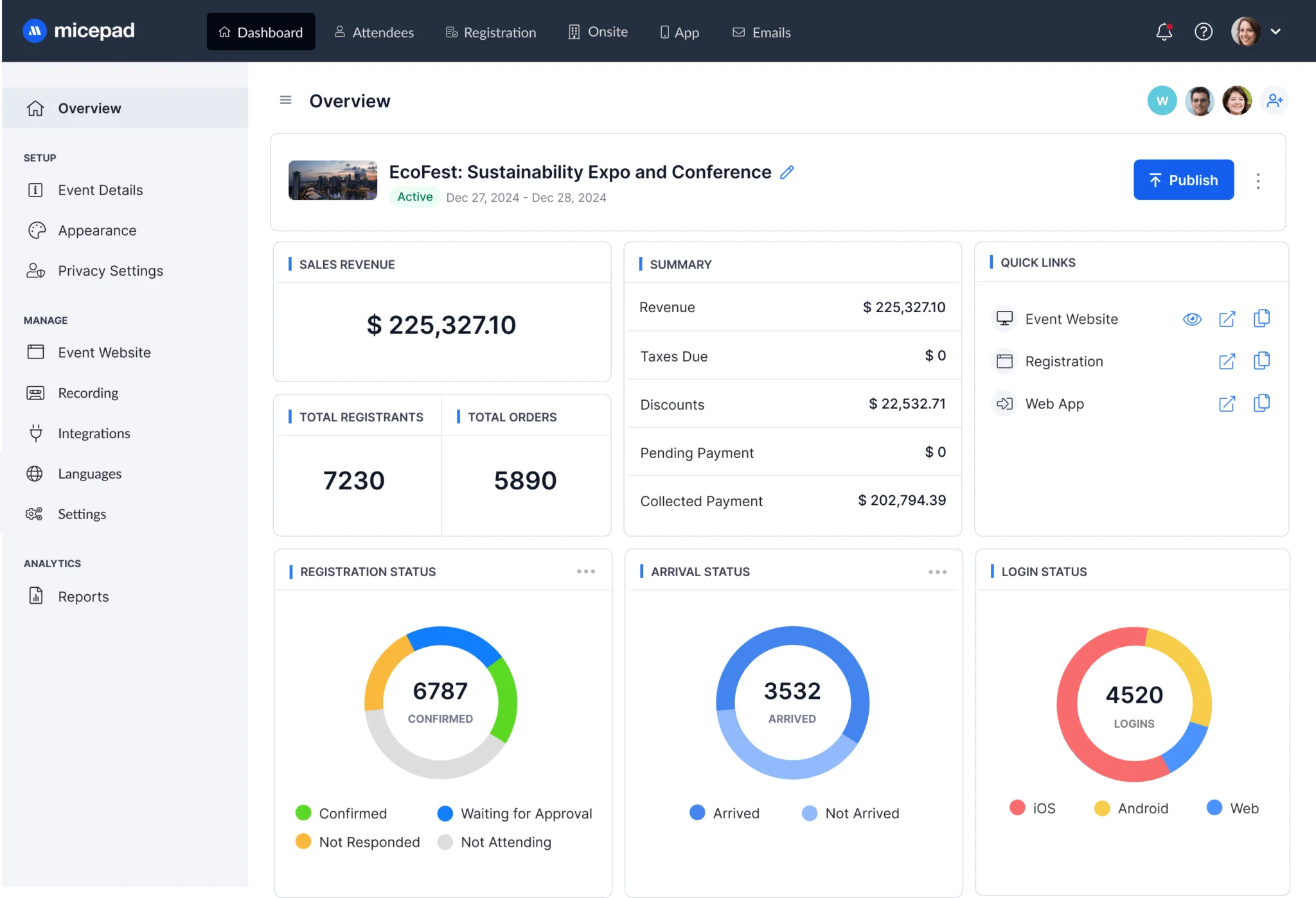
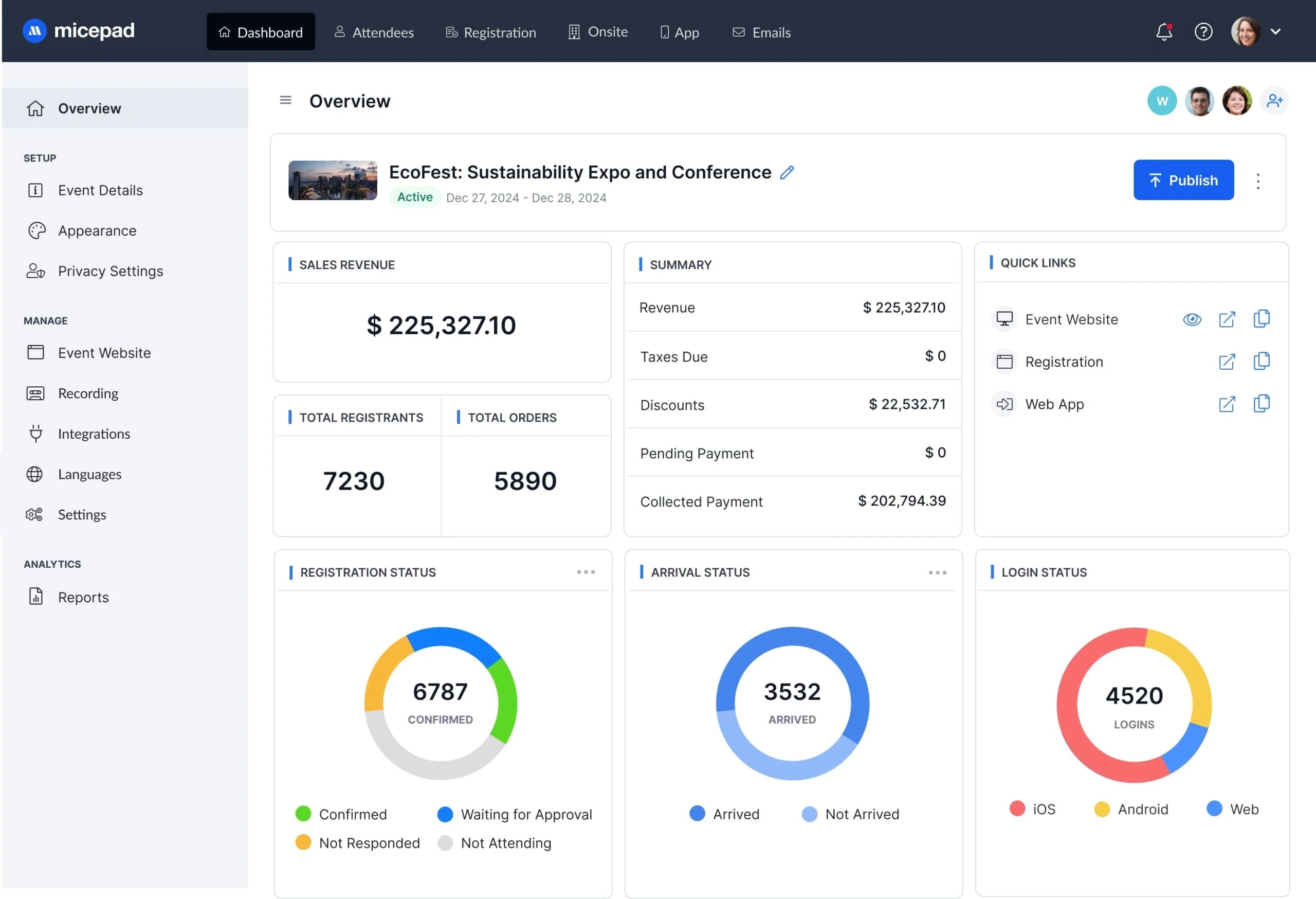
However, if you’re an event planner, creating more opportunities for attendees to network can greatly enhance their experience and improve your Event ROI. Allowing extra space and time for networking can turn your event into a hub of valuable connections. Consider using Micepad, which offers fantastic networking features like Lounge & Roundtables and 1:1 matchmaking.
When attendees leave satisfied with their networking experiences, it can lead to long-lasting success for your events. Happy attendees are likely to return and recommend your events, helping to build your reputation and ensure future success. Request a demo today!