




Comprehensive Guide To Implement Event Technology Trends

Event management is no small market. This is not a statement of sentiment but fact – one that goes on to show that the software side of this market alone will be worth a stunning $10.57 billion by the year 2023. However, the way to getting there is not paved in inaction and applying event technology trends should be one of your way out. Staying updated with event technology trends is essential for navigating this rapidly growing field
TL;DR
Event technology encompasses a variety of digital tools and platforms that streamline event planning, management, and execution. Whether organizing a physical, virtual, or hybrid event, these technologies enhance attendee interaction, streamline operations, and improve overall event experiences. There are 7 event tech trends that will rule the next decade:
- Data Management: Utilizing big data and AI to enhance event insights and personalization.
- AR and VR: Offering immersive experiences and interactive content.
- Event Automation: Automating tasks to save time and improve efficiency.
- Chatbots: Enhancing attendee engagement and customer service.
- Long-term Engagement: Fostering ongoing connections and interaction beyond the event.
- Social Media: Leveraging platforms for event promotion and engagement.
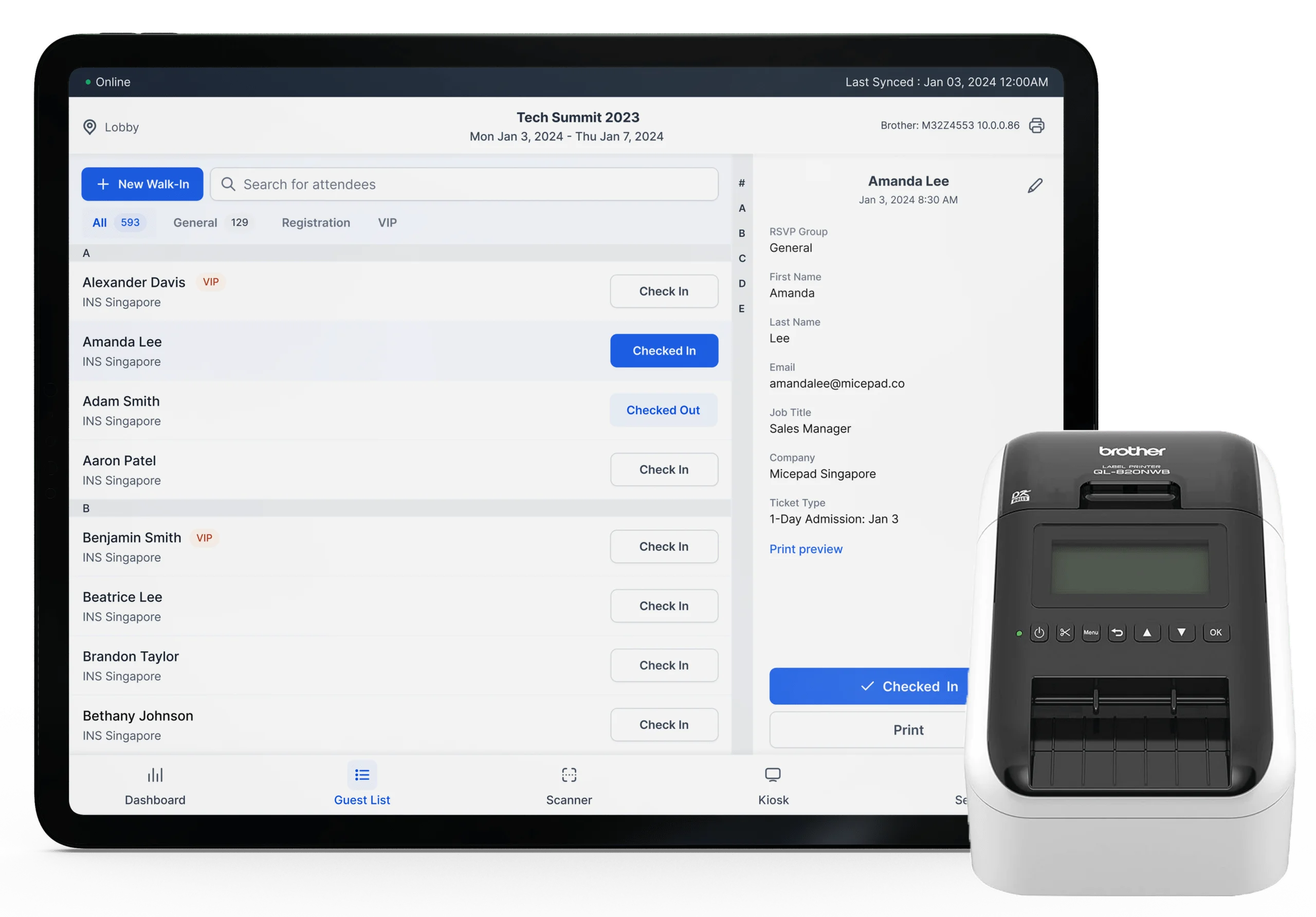
- Facial Recognition: Streamlining check-ins and enhancing event security.
What Is Event Technology?
Event technology covers a wide range of digital tools, software platforms, and devices that help you plan, manage, and run events smoothly. Applicable for setting up an in-person bash, a virtual conference, or a blend of both, your tech toolkit will play a key role in making the whole event go seamlessly.
Since event technology makes things easier and more enjoyable for everyone involved, many event planners incorporate these tools to be part of their every day work. Quick check-ins, happier attendees who find it easy to connect with each other, and smoother event operations are the results of applying the right event technology for the right event type. The aim is to enhance the whole event experience, no matter the format—whether you’re bringing people together physically, virtually, or somewhere in between.
As event tech evolves, it’s important to keep up with the latest trends to meet attendee expectations and make your events stand out. Whether it’s using augmented reality to add an extra layer of excitement or diving into virtual reality for immersive experiences, staying tech-savvy ensures you’re ahead of the game when it comes to event planning.
Observing the event technology that have been juiced to the max in 2019 and up until now, and how much they contributed to the success of their various events, here are some of the trends to look forward to as we cross into a new decade.

1. Data Management
In almost every aspect of human life, big data has proven to be one of the most important pieces of technology. From helping to identify unique trends to ensuring everyone has a great experience, the place of big data will continue well beyond the year 2020.
All thanks to the introduction of Artificial Intelligence (AI) which improvs the speed and accuracy with which this data is sorted, and we have a goldmine on our hands.
On the flipside, data privacy and protection are also on the rise. In compliance with standards like the GDPR, content and event creators need to thread carefully lest they breach the trust and data privacy of their attendees in the process of collection and monitoring.

2. AR and VR
There was a time when Virtual reality(VR) alone made all the difference. When Augmented Reality (AR) came into the mix, though, events became so much more. Now that we are having both come together in a relatively new concept known as Mixed Reality, the possibilities for the future are almost endless.
Why will this event tech make it, anyways?
People now want more involvement in the proceedings of events than before. The only way they can get that is by immersion – but that cannot be physically achieved for a large audience.
The alternative is to create a virtual space for each and every one in the audience to get their own dose of inclusion.

3. Event Automation
So much to do, but so little time to do it in.
For event management specialists, the above sentence feels like every day of their professional life. It is almost like all clients got a brief on how to hire event planners with only the smallest possible amount of time made available to them.
This puts planners on the edge, constantly feeling like they are running against the clock. While there might truly not be enough time, putting some tasks on automation is a great way to claw back some of that time.
It is, likewise, a great way to set the routine tasks on autopilot whole focusing on the more sensitive actions to make the project an overall success.

4. Chatbots
Say, your event comes with a website that promises to reply questions from the attendees in real time. Unless you are willing to invest in a lot of chat reps for the day, and would not mind forgetting to reply to some attendees as fast as possible, chatbots are the way to go.
Taking data from your past events and sampling a target audience can help you anticipate questions to focus on. The chatbots can, thus, be trained to handle these questions and requests as professionally as possible.
In the case when they can’t, the chatbots refer the case to a human customer care representative.
This has helped reserve only the most important requests for human personnel, helping you cut back on costs and improving the speed of the whole process at the same time.

5. Long Term Engagement
I know many event organizers are aware of the power of audience engagement – but they don’t know the extent of it.
Audience engagement is not something you do as a one-off. It is an energy on its own: one you need to cultivate before the event starts, keep while the event is running and maintain when the event is over.
It is not just enough that you introduce QnA sessions or allow the audience take polls. Following from the points above, they want a more immersive experience – so give them that.
This comes in the form of photo booths, exhibition stands, games centers (don’t even get us started on gamification), and much more.
After the event, don’t forget to put up sharable moments. If you developed an app or website for the event, ask for audience feedback. That way, you know what the audience enjoyed, and what they would rather have changed.
All these contribute to not only a great experience for them, but a better planning mindset for you too.

6. Social Media
Facebook is big and still growing, housing more than 1.5 billion users on a daily basis. Coming in at a close second is YouTube which averages 2 billion monthly users – as at the time of this speaking. Rounding off the big platform list is all of Instagram, WhatsApp, Twitter and Snapchat, to mention but a few.
Even if you had just 1% of your target audience on these platforms – of which there should be more – that is a massive number.
Social media is here to stay too. The earlier event organizers devise strategies to hone social media for their event success, the better for everyone involved.

7. Facial Recognition
More smartphones got facial recognition tech in the year 2019. If they can, it means this tech is now more around us than we know – and it should be taken advantage of by event planners too.
Facial recognition holds a lot of promise. A very unique one is admission – eliminating the need for other forms of admission into events which are prone to varying mistakes and delays.
Furthermore, this piece of technology is important for better security.
A security team can be on ground to cross-reference all facial data captured against a security database so they can be sure no attendee poses a threat to the others.
Finally, facial data tracking can help gauge the level of audience engagement, general mood and aura, so to speak. In real time, such data can be very beneficial to changing the dynamic of things to suit the audience.
Types of Events That Can Be Hosted Using Event Technology
Event technology has completely changed how different types of events are organized and run, making them more interactive and efficient across various formats:
1. Interactive Conference and Symposiums
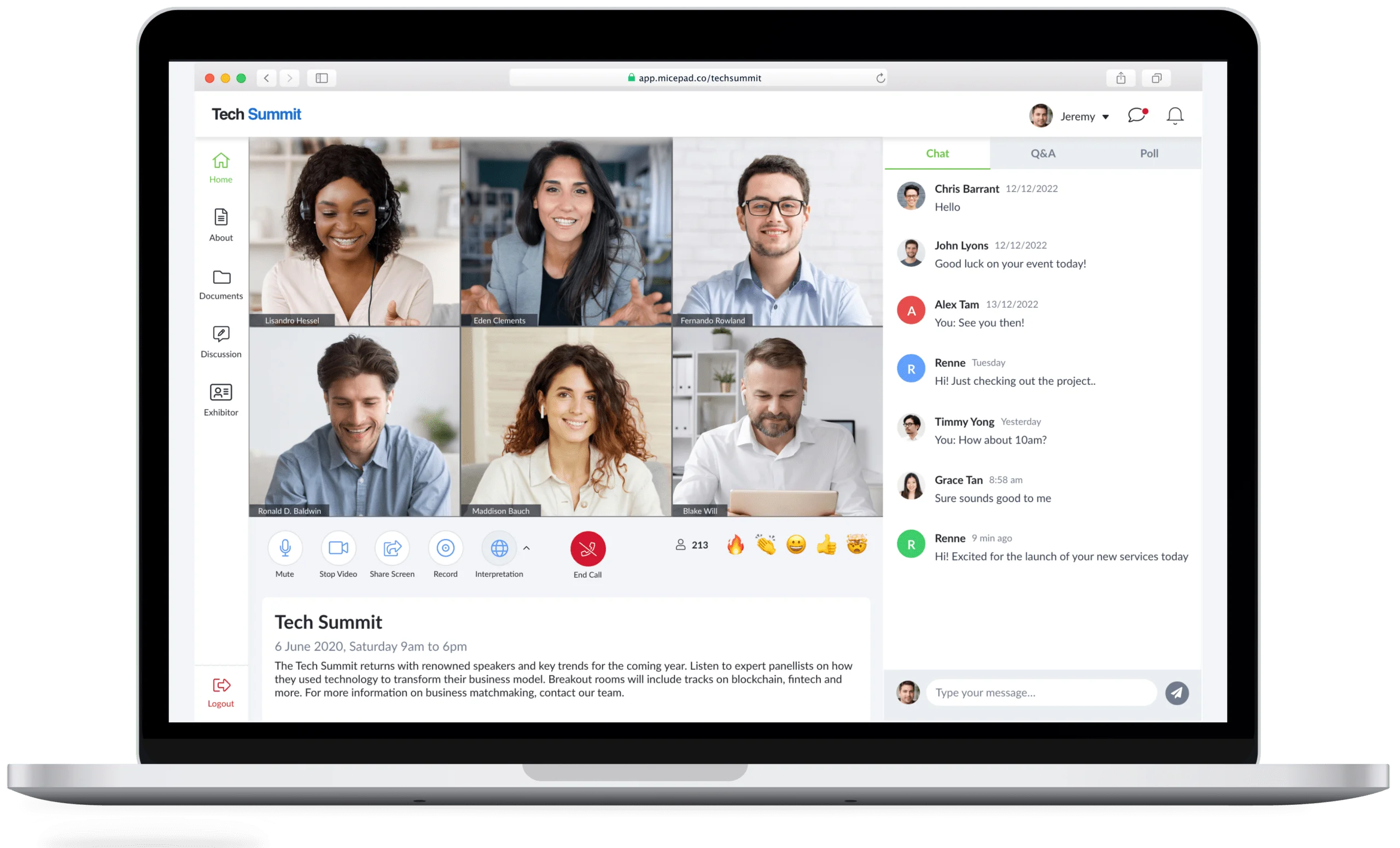
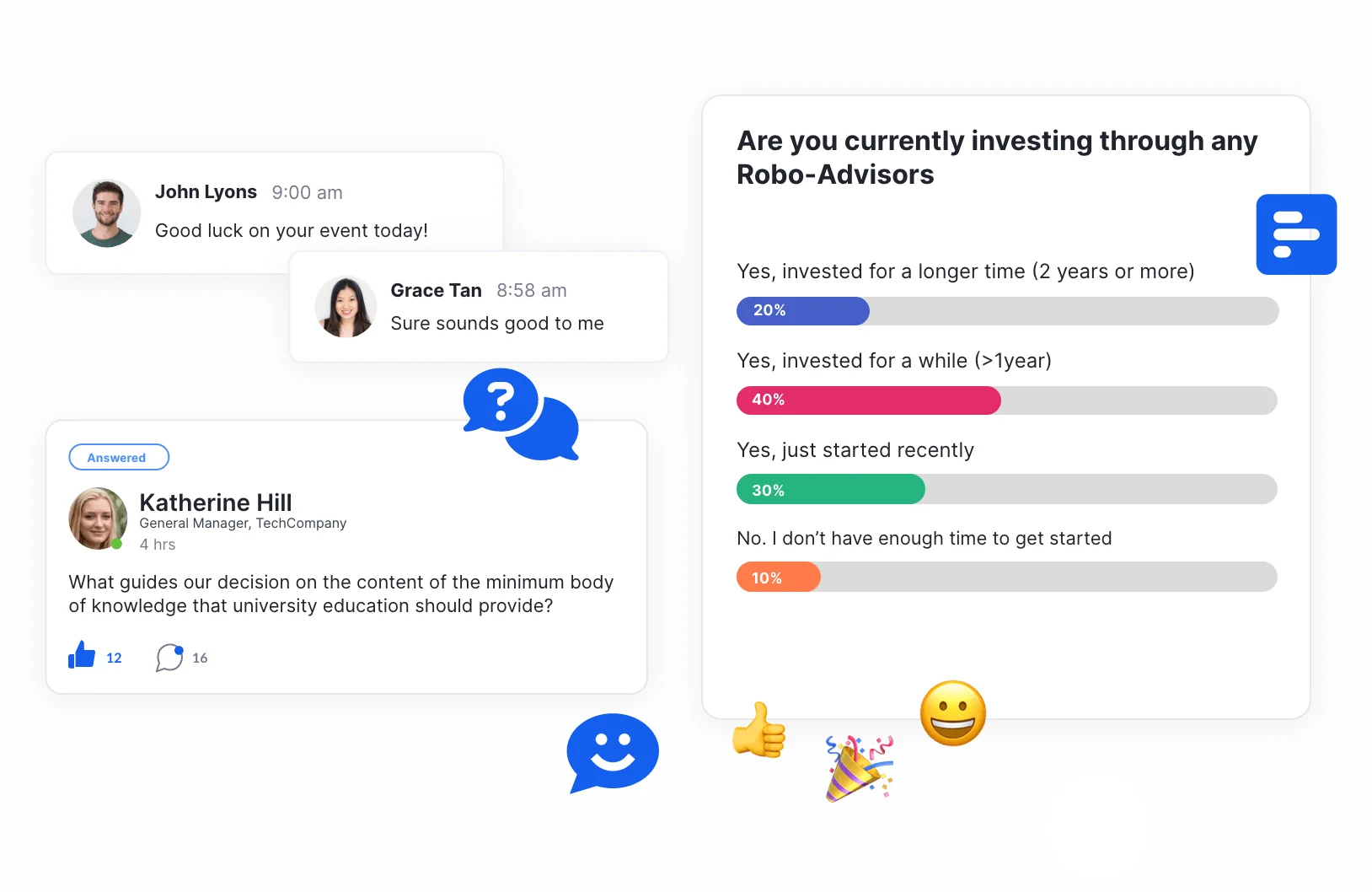
Imagine conferences and symposiums where you can actively participate from anywhere. With event tech, you can join real-time polls, Q&A sessions, and connect with others, making large events more engaging and easier to manage. In symposiums where all departments are connected, virtual breakout rooms that facilitate small group discussions can enhance participant interaction.
2. Product Launches Virtually
Launching a product virtually is now a global affair thanks to event tech! You can livestream the event, showcase demos interactively, and get instant feedback from a worldwide audience—all in real-time.
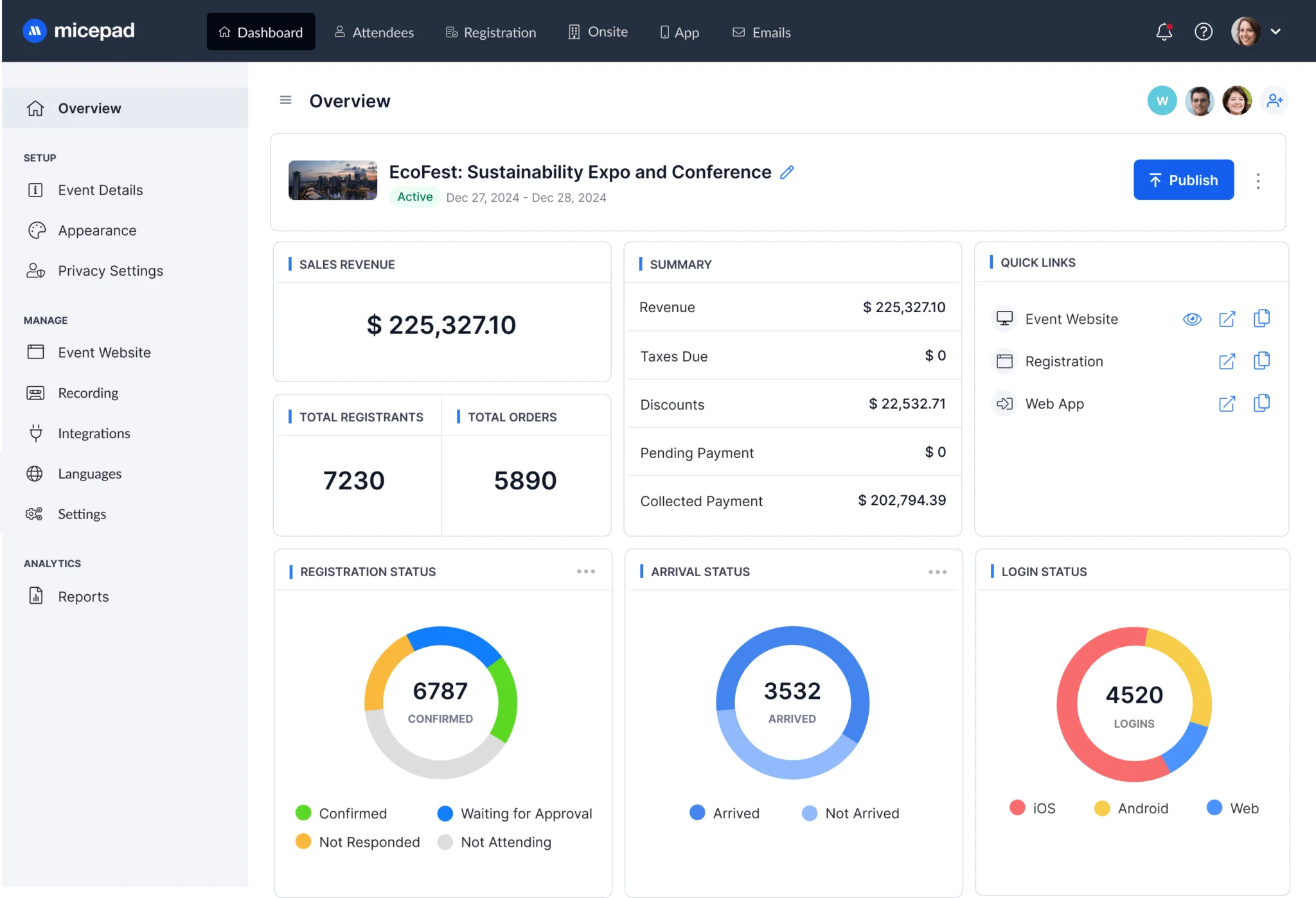
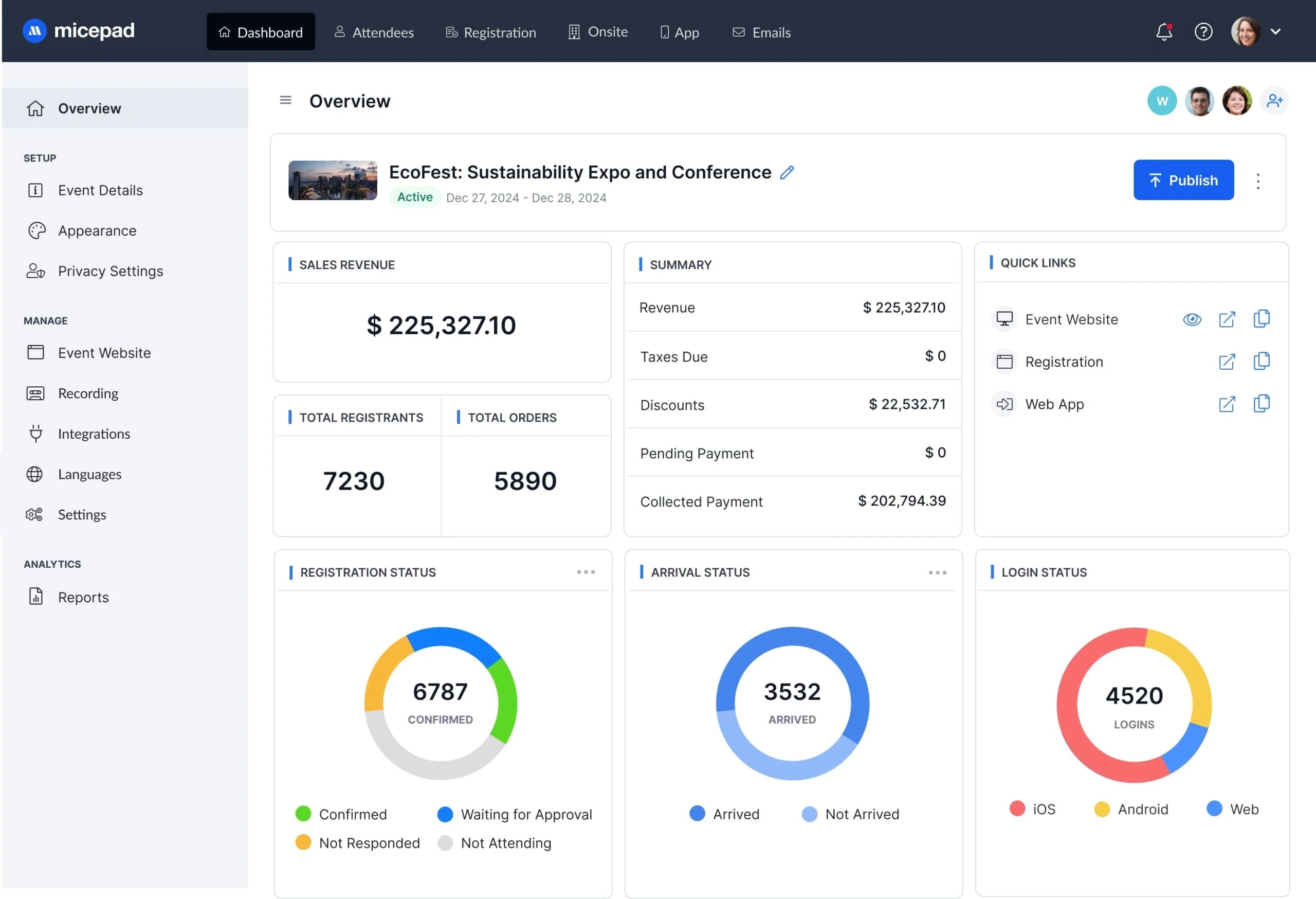
You can integrate all of your needs into a single system event management app, like Micepad, can handle event registration, attendee analytics, live streaming integration, and post-launch surveys to gauge audience response and improve future launches.
3. Expos and Trade Shows
Virtual expos and trade shows bring the buzz of physical events online. You can explore virtual booths, navigate through 3D layouts, and use AI tools to connect with exhibitors and prospects worldwide. It’s a game-changer for expanding reach and making connections.
4. Virtual Meetings
Stay connected with teams and partners globally through virtual meetings powered by event tech. Video calls, document sharing, and collaborative tools make remote collaboration seamless and productive.
5. Hybrid Events
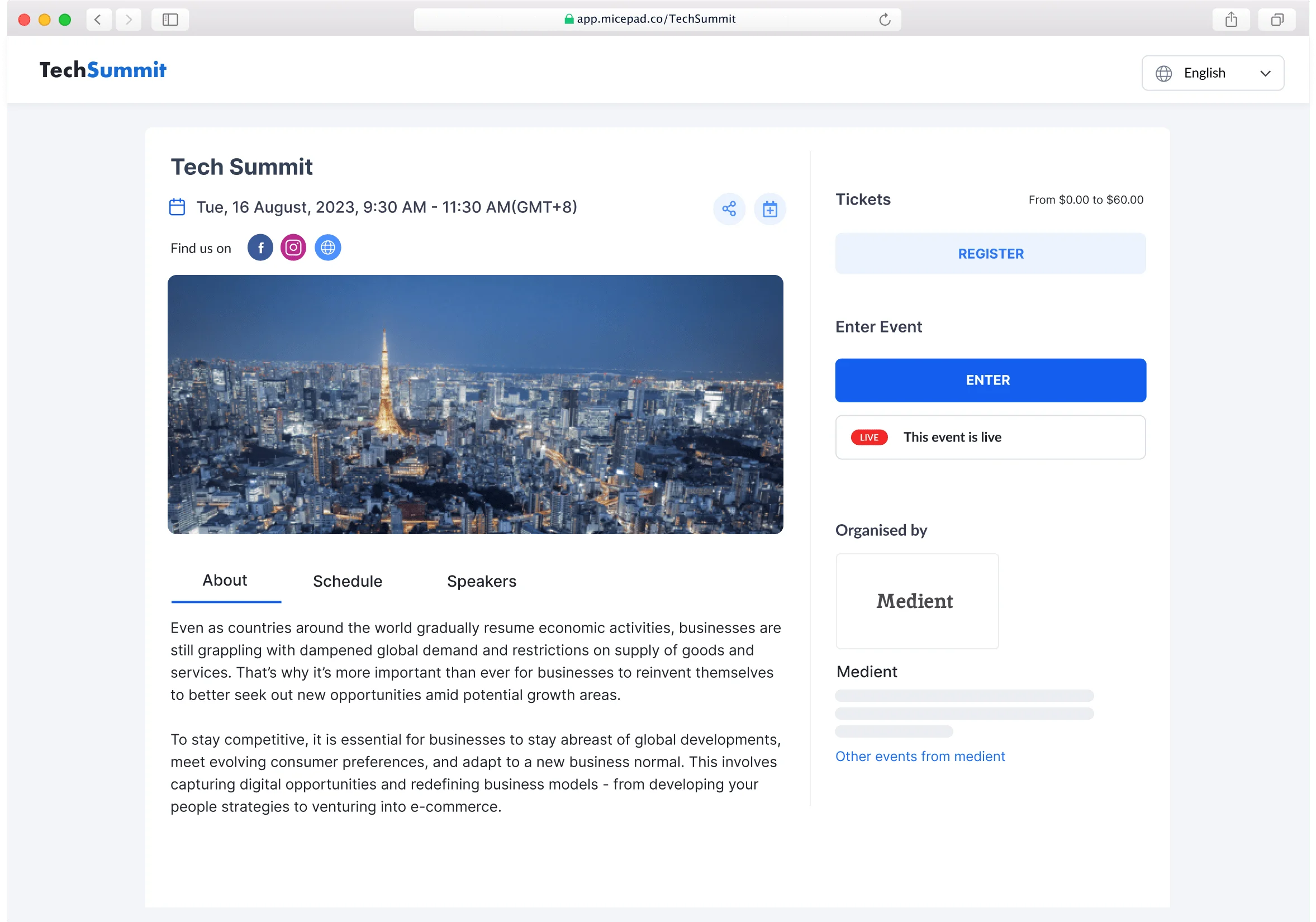
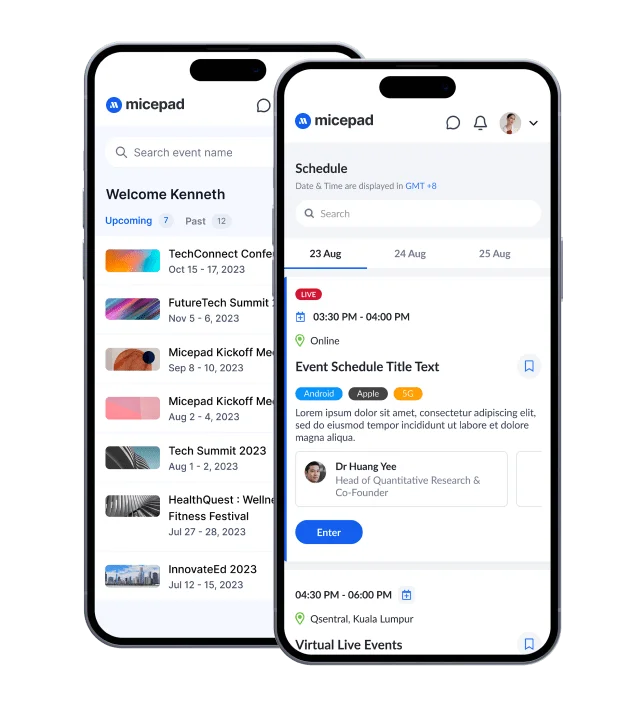
Blend the best of both worlds—physical and virtual—with hybrid events. Attendees can participate in-person or online, engaging in sessions, interacting with speakers, and networking virtually. It’s flexible, inclusive, and broadens event accessibility. All of these can be elevated with brand awareness effort with customized event apps like Micepad.
6. Webinars
Webinars are more than just presentations now. Event tech enhances them with interactive features like polls, chats, and multimedia, keeping participants engaged and informed on various topics.
7. Workshops Conducted Online
Online workshops have become the backbone of edutech companies since the pandemic era. (credit: Pexels – Diva Plavalaguna)
Online workshops are transformed by event tech into interactive learning experiences. Features like breakout rooms for group work, live feedback options, and downloadable resources make learning engaging and effective.
In essence, event technology enriches these event types by making them more interactive, accessible, and manageable. Whether you’re hosting a virtual meeting, a hybrid event, or a webinar, leveraging event tech ensures your events are engaging, efficient, and reach a diverse audience effortlessly.
Steps to Implement Event Technology to Your Upcoming Event
Implementing event technology at your next event can significantly enhance attendee experience, streamline operations, and boost engagement. Here’s a detailed step-by-step guide to help you get started:
Step 1: Define Your Event Objectives and Goals
First things first, you need to nail down exactly what you want to achieve with your event. Are you aiming to boost brand awareness, generate leads, or maybe provide valuable education? Define clear goals that you can measure, like attendee numbers, engagement rates, or feedback scores. This step sets the foundation for choosing the right technology that aligns perfectly with your event’s purpose and objectives.
Step 2: Research and Select the Right Technology
Now it’s time to dive into the world of event tech. There’s a whole range of tools out there—from virtual event platforms to attendee engagement apps. Take your time to explore what’s available and match it with the specific needs of your event. Whether you’re hosting a virtual webinar or a hybrid conference, there’s tech tailored for every type of event to enhance attendee experience and streamline your planning process.
Step 3: Choose an Event Management Platform
.
Choosing the right event management platform is crucial. This tool will be your command center for everything—from registration and ticketing to attendee communication and real-time analytics. Platforms like Micepad can simplify tasks and help you stay organized, ensuring every aspect of your event runs smoothly and efficiently.
Step 4: Plan Your Event Technology Integration
Map out how you’ll integrate all your chosen tech tools into your event plan. Create a detailed timeline that covers setup, testing, and execution. Decide which platforms you’ll use for live streaming, interactive sessions, or networking opportunities. A solid plan ensures that all your technology works seamlessly together, minimizing any hiccups during the event itself.
Step 5: Test Your Technology
Before the big day arrives, it’s crucial to conduct thorough testing of all your event tech. Check for functionality, connectivity, and compatibility across different devices. Run simulations and dry-runs with your team to troubleshoot any issues with audio, video, or interactive features. Testing ensures that everything runs smoothly on event day, giving you peace of mind.
Step 6: Train Your Team and Stakeholders
Your team and stakeholders need to be familiar with how to use the event technology effectively. Provide training sessions that cover the ins and outs of each tool, including troubleshooting tips and best practices. Whether it’s a webinar or a hands-on workshop, ensure everyone feels confident and prepared to support attendees and manage the event tech smoothly.
Step 7: Promote Your Event Technology Features
Let your attendees know about the awesome tech features they can expect at your event. Highlight benefits like live Q&A sessions, interactive polls, or virtual networking opportunities in your event marketing. Build excitement and anticipation by showcasing how these features will enhance their overall experience and engagement.
Step 8: Execute the Event
On the big day, make sure everything is set up and ready to go. Monitor the event closely to address any last-minute issues promptly. Engage attendees through live chats, interactive polls, and gamified experiences. Encourage networking using your event’s digital platforms to create a dynamic and engaging experience for everyone involved.
Step 9: Gather Feedback and Analyze Performance
After the event, gather feedback from attendees using surveys, polls, or post-event reviews. Use your event management platform to analyze data on attendee engagement, session popularity, and overall event performance. This feedback is gold—it helps you understand what worked well and what can be improved for future events.
Step 10: Follow Up and Improve
Finally, follow up with attendees by sending thank-you emails and sharing event highlights or recordings. Use the feedback and analytics gathered to make improvements for your next event. Adjust your technology choices and strategies based on what you’ve learned, ensuring each event gets better and more engaging than the last.
Ready to craft an unforgettable event with cutting-edge technology? Start with the Micepad event management app! From seamless planning and real-time attendee engagement to interactive features and robust analytics, Micepad has everything you need to elevate your event experience. Don’t wait—transform your next event into a spectacular success with Micepad. Request demo today!