How to Find Event Sponsors: 7 Strategies That Work in 2026
When it comes to hosting a successful event, sponsorships are the secret sauce that can take it from good to amazing. You’ve probably already got a handle on what event sponsorship means and how to choose the right sponsors based on the types and value they bring. You’ve also figured out how to persuade them with a great pitch in this article of ours: The Ultimate Guide to Event Sponsorship.
But here’s where the rubber meets the road. How do you actually find these sponsors and convince them to fund your event? Finding sponsors can feel a lot like being a salesperson trying to sell a product.
You might get no response, face rejections, or encounter situations where things don’t go as planned. But don’t worry! Instead of getting discouraged, let’s be more strategic about securing those sponsors. In this article, we have a guide to help you secure sponsorship support to make your event shine!
The Big Question: Does Your Event Need A Sponsor?
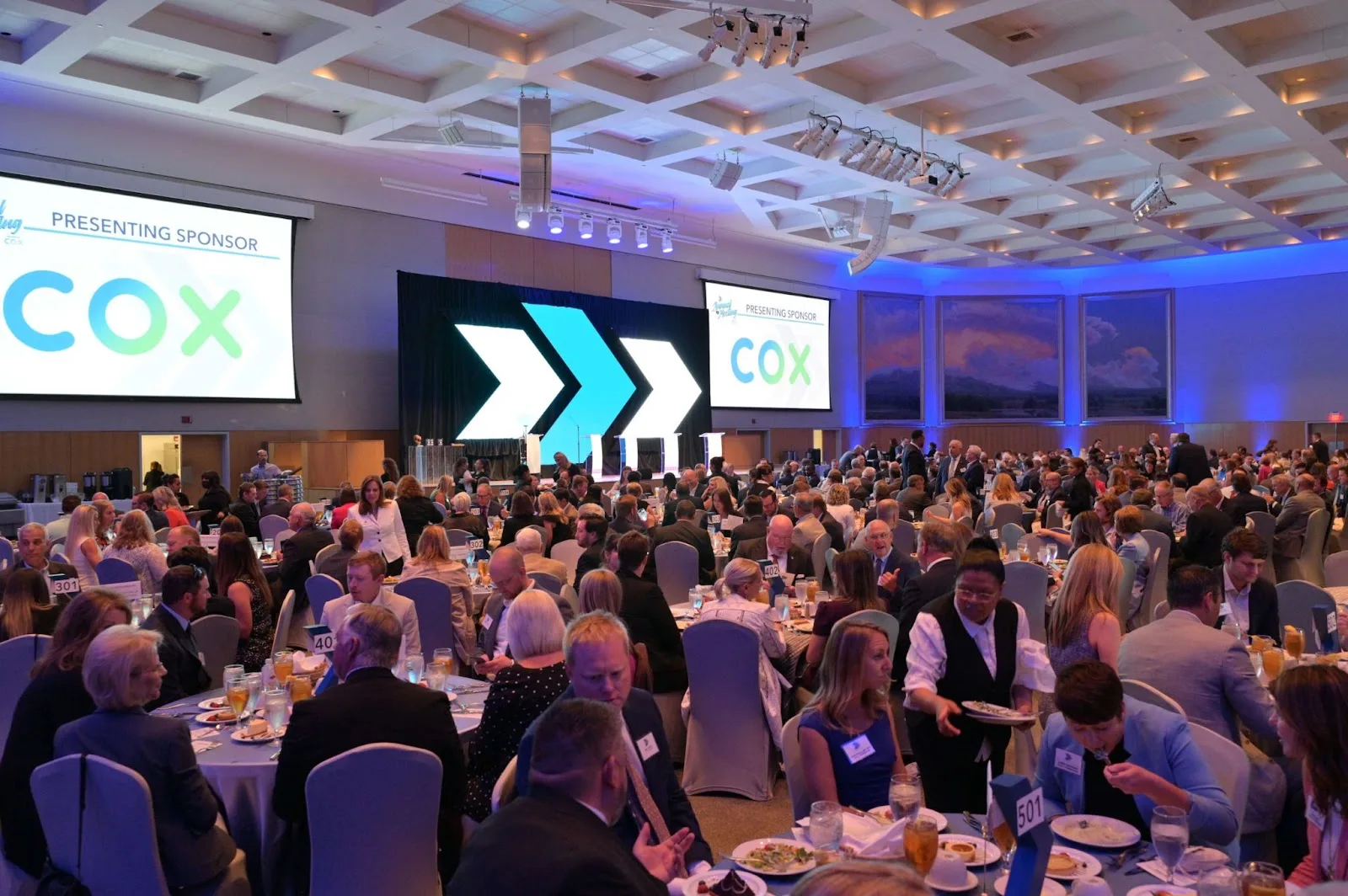
Sponsorships can help your events to feel more exclusive. (Credit: Freepik)
Sponsorships can be game-changers for events, providing essential support and amplifying their impact. They not only offer financial assistance but also bring credibility and visibility to your event. Hosting a top-notch event with celebrity speakers and media coverage are all possible with the right sponsors. Sponsors can help cover those extra budget items that elevate your event from ordinary to extraordinary.
But before diving in, you need to consider whether your event truly needs sponsorship. Here are some factors to think about before you commit to get a sponsorship:
1. Event Size and Profile
If you’re hosting a large or high-profile gathering with celebrity guests or speakers, sponsorship can ensure you get the media coverage you deserve.
2. Audience and Brand Goals
If your event goals include reaching a broader audience or strengthening your brand image, having industry influencers or executives as sponsors can transfer their audience to you, boosting your brand’s credibility.
3. Logistical Support
If you’re struggling with finding a suitable venue, transportation, or catering, sponsors can offer their services and help you overcome these challenges. Partnerships with hotels, transportation companies, or local restaurants can provide the necessary support to make your event a success.
4. Brand Credibility
If your event is brand new or if you’re trying to build your brand’s credibility, securing sponsorships from established companies in your field can serve as a strong testimonial.
On the flip side, companies sponsor events to increase brand awareness, reach new audiences, and enhance their image. It’s a win-win situation where both parties benefit. By leveraging these mutual benefits, you can make a well-informed decision about seeking sponsorship for your event.
Which Companies Should You Reach On First?
When looking for sponsors, choosing the right companies can make a big difference in securing support for your event and minimize the potential of rejection. Here’s a look at some types of companies you should consider reaching out to:
1. Companies That Frequently Sponsor Events
Some companies have a strong track record of sponsoring events, and their names often appear on sponsor lists. Big names like Coca-Cola, Pepsi, and Microsoft are known for their active participation in event sponsorships. These companies understand the value of being associated with events and are usually more open to sponsoring new ventures.
Since they are familiar with the sponsorship process, they can be easier to convince to invest in your event. The key here is to align your event’s goals with their branding and marketing objectives, showcasing how the partnership will benefit them.
2. Companies with Overlapping Audiences
Next up are companies whose target audiences align with yours. When their audience intersects with yours, it means both parties can benefit from increased awareness and conversions. These companies already see the value in engaging with an audience similar to theirs, so it’s often easier to pitch the benefits.
For example, if you’re organizing a tech conference, reaching out to companies that sell tech products or services can create a natural partnership. They’ll be more inclined to sponsor your event since it provides direct access to a relevant audience that’s interested in what they offer.
3. Companies That Provide Financial Sponsorship
Finally, consider approaching companies that are willing to offer financial support. These are businesses that see the potential for a good return on investment through brand visibility and customer engagement at your event.
To attract these sponsors, highlight how your event will offer them substantial exposure and how it aligns with their marketing goals. Emphasize the unique opportunities for engagement, such as prominent branding, speaking slots, or exclusive networking sessions. By showcasing these benefits, you can appeal to their desire for increased visibility and direct interaction with potential customers.
Top 7 Ways to Find An Event Sponsor
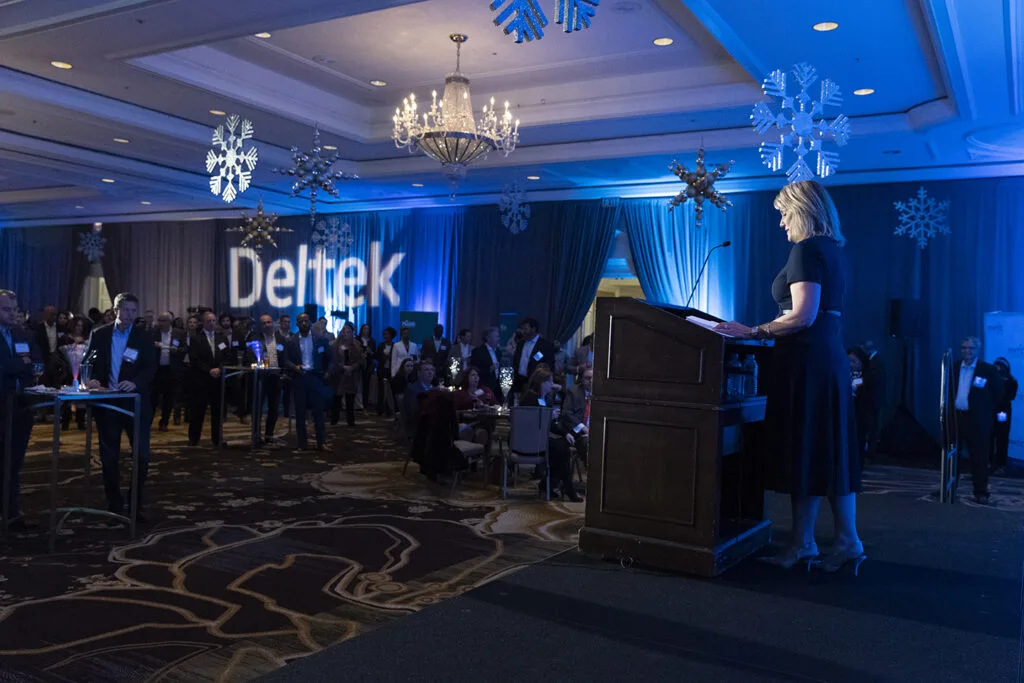
Your event can be the platform to introduce the sponsor brand. (Credit: NVTC)
Finding sponsors for your event can really give it the boost it needs. With a little creativity and effort, you can connect with the perfect partners. Let’s dive into seven strategies that will help you secure the right sponsors for your event:
1. Use Digital Tools
In today’s world, digital tools can make the hunt for sponsors much easier. Here are some platforms to consider:
- ****SponsorPark: Great for corporate sponsors and events in arts, entertainment, sports, and special causes.
- ****Sponeasy: Offers a drag-and-drop builder to create impressive sponsorship proposals with easy-to-use templates.
- ****SponsorMyEvent: Used by big names like Forbes and TEDx to find the right sponsors.
- ****OpenSponsorship: Specializes in connecting athletes, teams, and sports events with sponsors.
- ****SponsorPitch: Provides a rich database and CRM system to help you manage sponsor information.
These tools can help you find sponsors that are a perfect fit for your event’s specific needs.
2. Clearly Define Your Event Goals
Before you start reaching out, be clear about what you want to achieve with your event. Are you looking to boost brand visibility, increase attendance, or get media coverage? Having specific goals will help you target sponsors who share those objectives. For example, if you need a venue, look for sponsors who can offer space or discounts. If you need media coverage, partner with sponsors who have strong media connections.
3. Connect with Sponsors from Similar Events
Check out sponsors who have already supported events like yours. These companies already see the value in event sponsorship and understand how it benefits them. Use this to your advantage by crafting a compelling pitch that highlights how partnering with your event can be mutually beneficial.
4. Align with Brands That Share Your Values
Focus on brands that align with your event’s values and mission. This not only simplifies the pitching process but also strengthens your partnership. For instance, if your event promotes sustainability, target companies that also prioritize eco-friendly practices. This alignment makes your pitch more appealing and increases your chances of securing a sponsor.
5. Let Your Audience Lead the Way
Your market research should reveal the brands your audience already loves. Engaging with these brands can create excitement and attract more attendees. Familiar brands make participants feel connected and enhance their experience at your event.
6. Use Social Media and Advertising
Social media is a powerful tool for finding sponsors. Create engaging posts that highlight what makes your event unique and invite potential sponsors to reach out. Boost these posts with targeted ads to increase visibility. Consider running paid campaigns on platforms like LinkedIn, Facebook, and Instagram to effectively reach potential sponsors.
7. Create an Irresistible Sponsorship Package
Remember, sponsorship is a business deal, not a donation. Develop a compelling package that outlines the benefits sponsors will receive. Highlight opportunities for brand placement, speaking engagements, or exclusive networking sessions. Make sure sponsors know how supporting your event will benefit their brand and offer tangible value.
You can strategically arrange the benefits in a way that increases the perceived value as the tiers ascend. By categorizing and matching the benefits to different levels (Platinum, Gold, Silver, and Bronze), you allow potential sponsors to easily identify which tier best aligns with their marketing objectives and budget.
Sponsorship Do’s and Don’ts
However, there are things you must consider when pitching for sponsorships, some of them are worthy to be noted.
Do: Ensure Great Fit
Imagine a food chain sponsoring a technology conference. The last thing you want is to sponsor an event that has no value aligned with yours. You probably have little to gain as your target audience is mismatched. If attendees can relate to your brand, then there is a higher possibility of them associating your brand with certain attributes. For instance, if you talk about technology, most people will associate it with Apple.
Do: Understand How The Event Runs
Talk about association and the attendees will extend their disappointment to your brand if the event is poorly managed. So make sure that the event has a proven track record in order to maximise your sponsorship returns.
Do: Decide If Your Brand is Value Adding
It can be a product, a service or an experience but how can your brand add meaning to the event? Leave a greater impact on your audience. So if you are a technology firm sponsoring a conference, get an opportunity to gather the attendees’ insights by engaging them in live polling, quizzes or contest. While you can get to demonstrate your features, the event’s organisers will also be happy that you are reducing their workload. Make sure you are integrated into the event.
Don’t: Forget to Create Lasting Relationships
You want to create a lasting relationship so that the event’s organiser or attendees can refer you to your prospective clients but you don’t want to give them a sales pitch at every corner they turn into. They will be irritated. That said, you should continue communicating with them after the event to maintain the relationship in order to negotiate better terms such as high brand visibility or exclusivity for your next sponsorship.
Don’t: Skip The Event
This is the best time to reach out to your target audience. Sponsorship isn’t just about pasting your logo all over the places. Instead, you should get out of your office and attend the event. Talk to the event’s organisers and attendees to see how you can help them achieve their objectives. Take this chance to increase your brand awareness.
Don’t: Focus on Quantity over Quality
Brand impressions are important but don’t overdo it because people get frustrated. Reaching out to one right audience is essentially more effective than reaching out to hundreds of wrong audiences. So focus on getting the right audience to notice your brand.
You can always start finding the sponsors by really understanding what your event offers and match that with potential sponsors’ goals. Build strong relationships by reaching out with a personal touch, showing them how partnering with you will benefit them. Be open to creativity and flexible in your offerings to make it a win-win situation for both you and the sponsors. Keep the lines of communication open and nurture these relationships beyond the event.
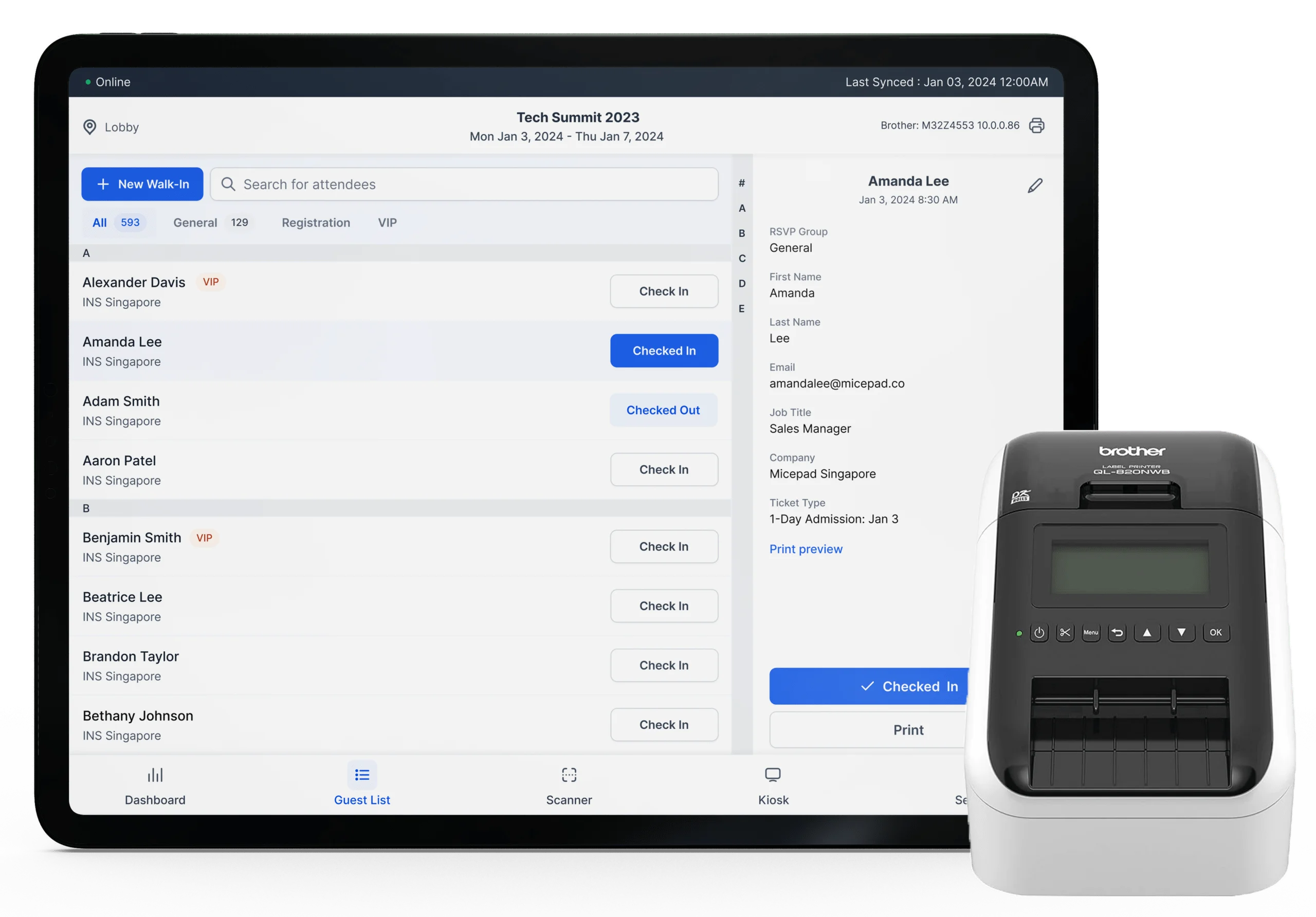
Micepad can really help you boost your event sponsorship efforts. Our platform offers comprehensive data analytics, allowing you to gather insights about your audience that can make your sponsorship pitches more appealing and data-driven.
Plus, we provide features that can enhance your sponsorship packages, such as engaging sponsor banners, customizable digital booths, and options for public and private chats between attendees and sponsors in our virtual event platform. These tools can increase sponsor visibility and facilitate genuine connections. Curious to see how it all works? Request a demo today!
Related: For a step-by-step approach to building your sponsorship strategy, see our Event Sponsorship Guide. If you are ready to pitch, use our free Proposal Template.

Free event-tech resources
Practical guides, comparison breakdowns, and case studies — published weekly.