The Essential Guide to Crafting an Effective Event Marketing Strategy
Crafting an effective event marketing strategy is crucial to the success of any event. Without proper planning and organization, your efforts can easily fall short, leaving your goals unmet. Whether you aim to boost attendance, generate leads, or build brand awareness, a well-thought-out strategy is the key to reaching your objectives. In this guide, we’ll walk you through the essential steps to create a powerful event marketing plan that drives results and makes your event a standout success.
What Is Event Marketing?
Event marketing is meant to create powerful connections between your brand and your audience through engaging experiences. Whether it’s a lively conference, an interactive trade show, or a focused seminar, event marketing puts your brand directly in front of your customers.
Since each event you plan is unique, with its own set of goals, audience and vibe, every event deserves a tailored marketing approach that resonates with those specific attendees. By customising your approach, you ensure your message is not just heard but felt. And in today’s fast-paced world, where attention is a hot commodity, having a standout event strategy is even more crucial than ever.
Event marketing isn’t limited to just in-person gatherings. It also spans across virtual and hybrid events, or any type of event where you want to attract a larger audience, giving you the flexibility to reach people wherever they are. Whether you’re hosting, co-hosting, sponsoring, or just participating, these events are golden opportunities to showcase your brand, spark meaningful conversations, and drive real results.
The benefits? They’re plentiful. Let’s understand how event marketing can become one of your most impactful tools in driving business growth.
Advantages of Doing Event Marketing

Event marketing creates immersive experiences that build stronger connections. (Credit: Harvard Business)
1. Interactive Product Showcase
Event marketing gives you the platform to showcase your products or services in a dynamic, hands-on way. Unlike traditional marketing methods, which often rely on passive consumption, events allow your audience to engage directly with what you offer. This interactive experience can create a stronger connection to your brand, making your message more memorable and impactful to the right audience.
2. Building In-Person Connections
In a world dominated by digital interactions, the value of face-to-face connections cannot be overstated. Event marketing provides the perfect opportunity to meet your audience in person, fostering relationships that are much harder to build online. With 95% of marketers agreeing on the importance of these live interactions, it’s clear that in-person events are a critical component of a successful marketing strategy.
3. Enhancing Brand Perception
One of the standout benefits of event marketing is its ability to positively influence how your brand is perceived. A remarkable 74% of event attendees leave with a more favorable opinion of the company, product, or service they experienced. This boost in brand perception can lead to increased customer loyalty and a stronger market presence.
4. Generating High-Quality Leads
Events create a prime environment for lead generation. By gathering potential customers in one place, you have the opportunity to engage with them directly, answer their questions, and establish meaningful connections. This direct interaction often results in higher quality leads compared to other marketing channels, making events a valuable investment for future business growth.
5. Fostering Community Engagement
Event marketing goes beyond just promoting your brand—it helps build a community around it. When people gather for an event, they share experiences and connect not just with your brand, but with each other. This sense of community can turn attendees into loyal brand advocates, further amplifying your marketing efforts and fostering long-term relationships.
6. Driving Executive Buy-In
Event marketing is highly valued by top executives, with 87% of C-Suite leaders planning to increase their investment in live events. This recognition at the highest levels of business underscores the importance of events as a powerful marketing tool. When your company’s leadership sees the value in event marketing, it becomes easier to secure the resources and support needed to execute successful campaigns.
7. Amplifying Marketing Impact
Finally, event marketing amplifies the overall impact of your marketing strategy. By combining in-person, virtual, or hybrid events with other marketing channels, you can create a multi-faceted approach that reinforces your message across different touchpoints. This integrated strategy not only broadens your reach but also strengthens the effectiveness of your marketing campaigns.
Some of the Most Common Event Marketing Strategies
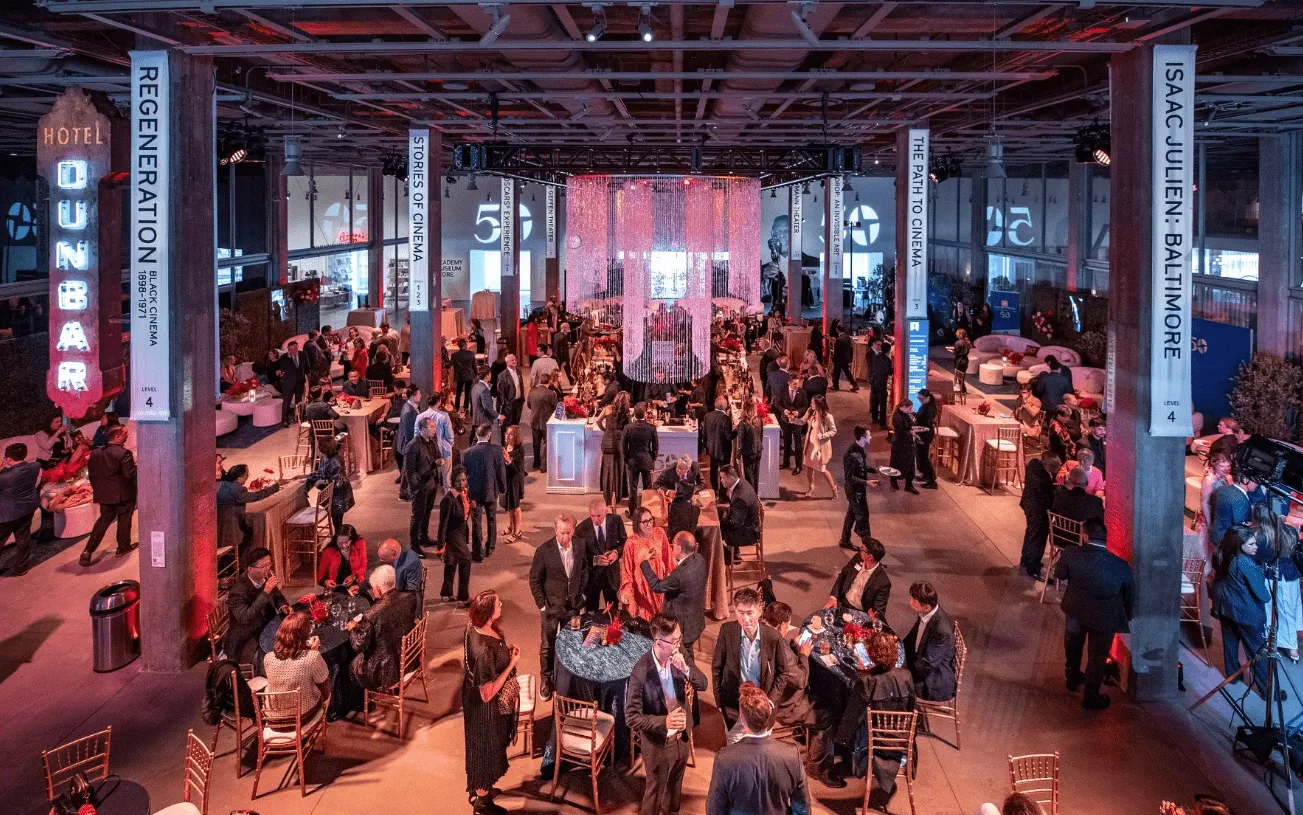
Product launches generate excitement and buzz, giving your audience a firsthand experience of your new offering. (Credit: Innovate Marketing)
1. Conferences
What this event type is best for: Educating and engaging a diverse audience while building industry authority.
Conferences are large-scale events that bring together professionals from various industries or a specific field. Typically hosted by one main company and sponsored by others, conferences are a blend of informative sessions, workshops, and networking opportunities. They are ideal for establishing thought leadership and connecting with a broad audience, making them valuable for both B2B and B2C companies.
2. Trade Shows
*What this event type is best for: *Demonstrating new products and directly engaging with potential buyers.
Trade shows are focused gatherings where companies within a specific industry showcase their latest products and services. Unlike conferences, trade shows usually attract pre-qualified buyers and industry professionals, making them an excellent platform for generating high-quality leads.
3. Webinars
*What this event type is best for: *Offering educational content to a global audience with interactive elements.
Webinars are online seminars that provide an interactive platform for companies to connect with their audience without geographical limitations. These events typically involve presentations, product demos, and discussions, often concluding with a Q&A session to boost engagement. Webinars are particularly effective for educating prospects and customers in a cost-effective manner.
4. Workshops
*What this event type is best for: *Providing in-depth training and fostering skill development.
Workshops are more hands-on and interactive than seminars or webinars. They provide participants with practical skills or knowledge on a particular subject, often through collaborative activities or small group discussions. Workshops can be conducted both online and in-person, making them versatile for various industries.
5. Live Streaming Events
*What this event type is best for: *Reaching a broader audience and enhancing event accessibility.
Live streaming events allow companies to broadcast in-person activities to a wider online audience in real-time. This format is perfect for creating an inclusive experience, offering behind-the-scenes looks, and engaging viewers through social media interactions. It’s a great way to expand the reach of an event and connect with people who couldn’t attend in person.
6. Pop-Up Shops
*What this event type is best for: *Creating buzz and offering a unique, immersive shopping experience.
Pop-up shops are temporary retail spaces where companies, often e-commerce brands, can sell their products in a physical setting. These events create a sense of urgency and exclusivity, making them an excellent tool for driving sales and creating a memorable brand experience. They’re perfect for engaging with customers in a tangible way and testing new markets.
7. Appreciation Events
*What this event type is best for: *Strengthening relationships with your top customers and enhancing brand loyalty.
Appreciation events are hosted to show gratitude to your most loyal customers. These events can range from casual dinners to elaborate celebrations, often scheduled around larger conferences or trade shows. They are key to boosting customer satisfaction, increasing retention, and generating referrals.
How Do I Begin Event Marketing?
Starting event marketing might seem like a big task, but breaking it down into manageable steps can make it much easier. Here’s a step-by-step guide to get you rolling:
1. Set Clear SMART Goals and Define Your Budget
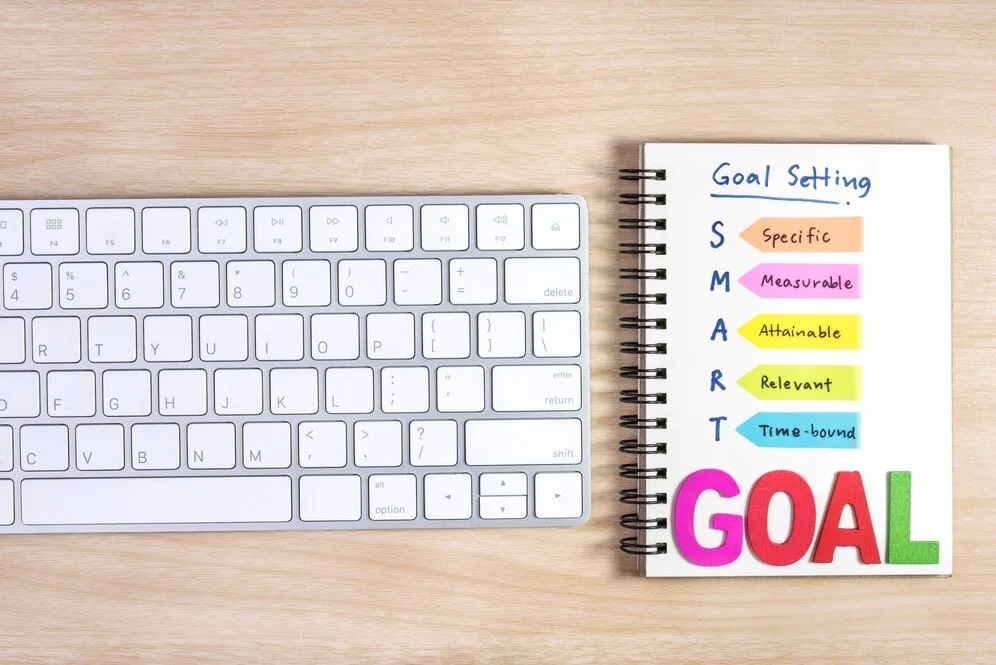
Setting a clear attendance target ensures that your event planning stays focused and measurable. (Credit: Freepik)
Start by setting SMART goals—Specific, Measurable, Attainable, Relevant, and Timely. These goals will keep you focused and help you measure your event’s success later on. Some of most common SMART event goals are:
- Increase Potential Leads: “Add 100 new leads to our prospective list by the event’s end.”
- Increase Social Media Engagement: “Boost our event hashtag mentions on Twitter by 50% compared to our last event within one week after the event ends.”
- Drive Early Bird Registrations: “Sell 75% of early bird tickets within the first two weeks of launching our registration campaign.”
- Enhance Attendee Satisfaction: “Achieve an average satisfaction rating of 8 out of 10 or higher on post-event surveys from at least 80% of attendees.”
- Expand Sponsorship Opportunities: “Secure at least 5 new sponsorship deals that each contribute a minimum of 10% to the overall event budget by one month before the event.”
Also, don’t forget to set your budget early on. Your budget will shape everything, from the venue to marketing channels.
2. Create a Strong Event Identity
Before you start promoting, define your event’s theme, brand, and purpose. Ask yourself why people should attend and what they’ll gain. Think about the event’s name, the main message, and the overall vibe you want to create. These five questions will help you identify the right marketing strategies to pursue.
- What is the core purpose of your event?
Why are you hosting this event, and what do you want attendees to walk away with? - Who is your target audience, and what appeals to them?
What are their interests, needs, and preferences? How can your event resonate with them? - What is the main message or theme you want to communicate?
What key idea or concept do you want to highlight throughout the event? - How should the event’s brand reflect your company’s values?
How can the event’s visual identity (logo, colors, fonts) and tone align with your overall brand image? - What kind of atmosphere or vibe do you want to create?
Should the event feel formal, casual, innovative, or fun? How will this influence your decor, entertainment, and overall design?
3. Know Your Audience and Pick the Right Channels
Leveraging social media as an event marketing channel can amplify your reach and attract a broader audience. (Credit: Freepik)
Identify who would benefit most from your event. Knowing your target audience allows you to choose the best marketing channels. In today’s digital age, this usually includes social media, your event website, and email campaigns. If your event is local, consider mixing in some print ads or local listings to broaden your reach.
4. Develop a Content and Marketing Timeline
Map out when and how you’ll release information leading up to your event. This could include blog posts, social media updates, or email newsletters. Consistent communication will keep your audience engaged and excited. It’s also helpful to use a mix of marketing tactics—like social media posts, email campaigns, and maybe even a few well-placed ads to maximise your reach.
Simplified Marketing Timeline
This table of contents and timeline will help keep your event marketing organised and ensure you’re consistently engaging with your audience leading up to the big day.
5. Promote During the Event
Don’t stop marketing once the event starts. Use social media to share live updates, photos, or even stream parts of the event. This keeps attendees engaged and creates FOMO (fear of missing out) for those who didn’t attend, which is great for future events.
6. Measure Success and Gather Feedback
Finally, after the event, evaluate its success by looking at key metrics like attendance, lead generation, and social media engagement. Also, get feedback from attendees to see what worked and what didn’t. This insight will be invaluable for your next event. But how to do all of the “after-events” effort? Here’s a checklist format for measuring success and gathering feedback after events:
- Compare registered vs. actual attendees, analyse no-show rates, and ticket sales data.
- Evaluate total revenue against the event budget and expenses.
Measure interaction through social media mentions, app usage, and session participation.
Distribute surveys to gather feedback on content, speakers, and overall experience.
Calculate Net Promoter Score (NPS) to determine how likely attendees are to recommend your event to others.
Monitor social media for event mentions and hashtag use.
Review engagement metrics like likes, shares, comments, and reach.
Check app usage statistics, including logins, feature usage, and session attendance.
Analyse website traffic patterns, peak visit times, and popular content.
Discuss what went well and areas for improvement with your team.
Gather input from stakeholders, sponsors, and partners.
Engage with attendees for real-time reactions and suggestions.
Review unsolicited feedback or testimonials for additional insights.
Send personalised thank you messages and request additional feedback if needed.
Share highlights, photos, and key takeaways, and invite further comments or suggestions.
Use this checklist to ensure you comprehensively measure your event’s success and gather meaningful feedback.
Event Apps to Simplify Your Event Marketing
Event apps are a game-changer in modern event marketing, revolutionising how brands connect with their audience and streamline event management. The evolution of event technology is impressive. What began as a modest 9% adoption rate for mobile apps in 2011 has surged, with event apps now playing a crucial role in enhancing attendee experiences.
So, what makes event apps such a powerful tool for simplifying event marketing?
An event app is a versatile and modern solution designed to enhance events by offering personalised and convenient features. Unlike traditional event planning methods that often require extensive time and effort, event apps have drastically simplified the process, making it easier to align with a brand’s objectives and deliver a tailored experience for attendees.
Event Registration
The key to effectively building up an event is to create a pre-event marketing strategy that is not only appealing and convenient to the target audience, but is also an accurate representation of what the event is all about.
Most event apps available support social media marketing, analytics, and event promotions for brands. Registration forms, websites, and invites can be set up depending on what fits the event’s objectives the most. Personalised event registrations are highly effective in gauging audience interest. Adding event mobile guides, SMS and Push notifications for urgent announcements, pre-event surveys and mobile-friendly emails are some good examples on how to achieve this.
Event Check-In
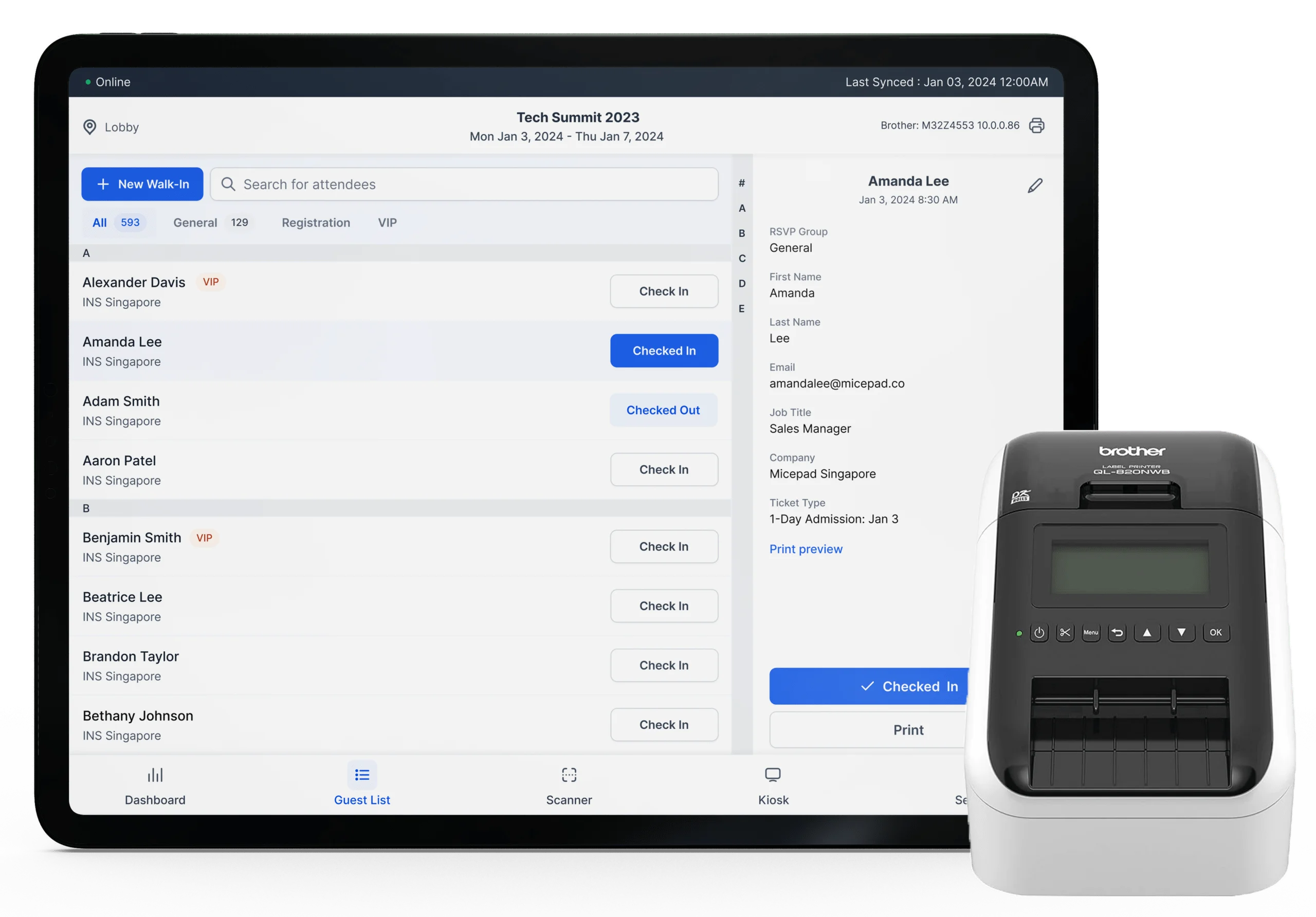
If there’s one thing people hate about attending events, it’s having to wait in long queues before they get accommodated or ushered into the venue. Currently, event apps are designed to make event check-ins faster and more user-friendly. Participants can simply use an event app to authenticate their identity and verify attendance. The use of QR and barcode scanning, online ticket purchasing, simplified guest list management, and name badge printing make it quicker to accommodate attendees and track the guest list.
Audience Engagement
Audience engagement can be a determining factor whether the event’s objectives are met or not. Event apps can help brands capture attendee interest more effectively by offering a variety of features that push for higher participant involvement.
Participants respond positively to live Q&A and polling while hashtags customised for the event let attendees share the event with their peers and help your brand gain more mentions on social media. Post-event, audience engagement can be measured by conducting surveys or checking collected data from all the participants.
Networking
Aside from improving the content and encouraging audience involvement, event networking is another way to put event apps to good use. For instance, creating a searchable event directory helps participants find fellow attendees or target contacts they wish to meet at the event. Create private social networks for photo sharing and messaging, or match guests based on their interests to help them break the ice and start socialising with each other.
Event Analytics
An event app would not be complete without enabling the collection of relevant audience insights and data. With event analytics, you can have a closer look at your guests’ feedback and activity, thereby understanding how you can improve future events for your brand, make it more enticing and come up with activities and topics that are of high significance to your audience.
Can you just imagine how dull and inefficient events would be without event apps? Surely, it is exciting to anticipate what future contributions event apps can bring to different niches.
Final Thoughts
Event apps have become a game-changer in event marketing, offering a powerful way to elevate your upcoming event. By streamlining communication, boosting engagement, and providing valuable insights, event apps make it easier to manage and enhance every aspect of your event. They centralise all your event details, making it a breeze for attendees to stay informed and engaged.
To make the most of your event marketing, consider using an event app to simplify your planning and execution. One option worth exploring is Micepad. It’s a robust platform designed to help you manage your event effortlessly while offering a seamless experience for your attendees. Micepad’s features are tailored to support your marketing efforts and ensure your event runs smoothly from start to finish.
Give Micepad a try and see how it can transform your event marketing into a streamlined, engaging, and successful experience.

Free event-tech resources
Practical guides, comparison breakdowns, and case studies — published weekly.