Video Conferencing vs Live Streaming: What's the Difference?
With the unprecedented epidemic that has taken the world by storm, event deferment and cancellation have impacted the M.I.C.E industry in many ways. Event organisers are now being ‘forced’ to host virtual events. As a home grown end to end provider for M.I.C.E event solutions, we have made virtual events now possible to host digitally and interactively- without geographical constraints in so many types such as video conferencing and live streaming.
What Is Live Streaming at Event?
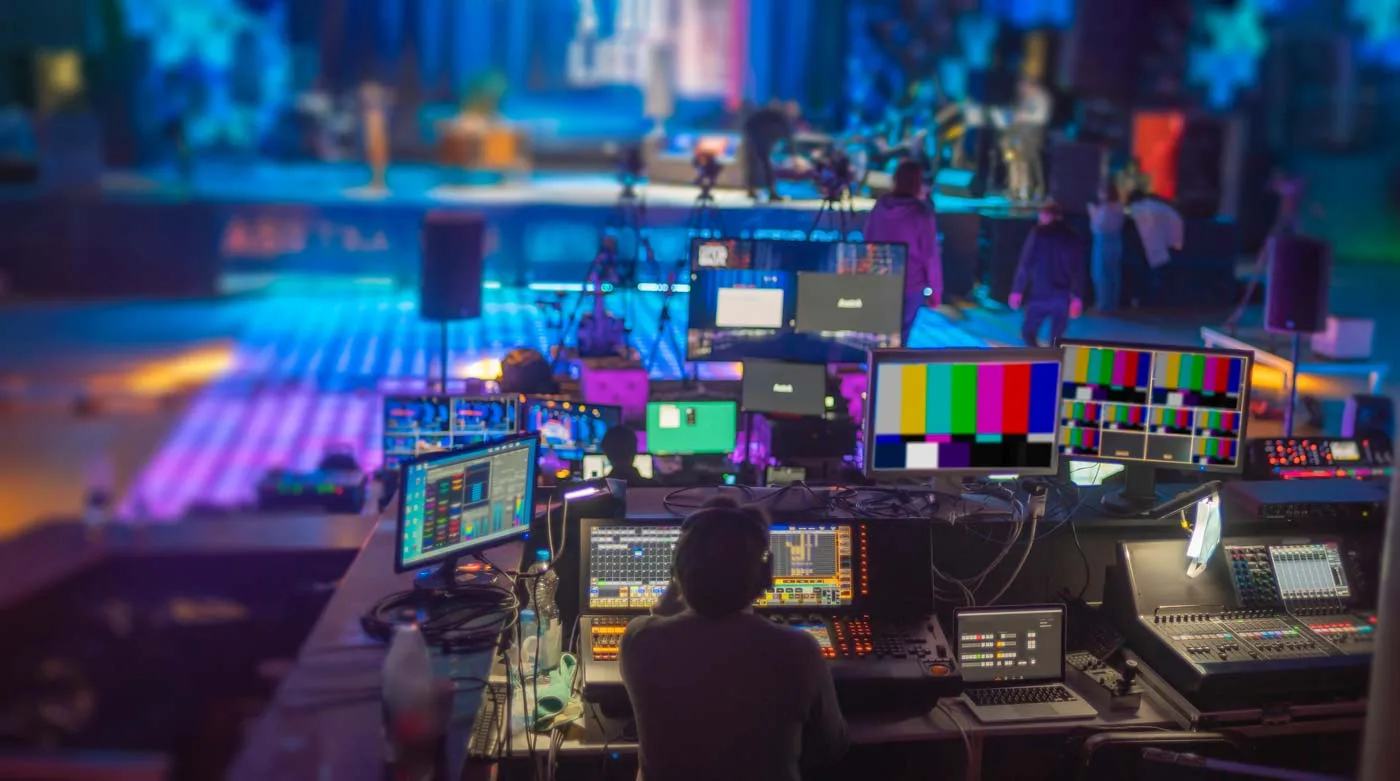
Live streaming your event allows you to reach a wider audience, making it possible for people to join in from anywhere in the world. (Credit: Igigo Communications)
Live streaming at an event means broadcasting video or audio in real-time over the internet, allowing people to watch or listen to the event as it happens, no matter where they are. Unlike pre-recorded videos, live streaming offers a dynamic, immediate experience that feels more engaging and interactive.
One of the most exciting aspects of live streaming is its ability to break down geographical barriers. You can reach a global audience instantly, making your event accessible to anyone with an internet connection. It’s also a fantastic way to engage with your audience directly, as live streams often include real-time interaction through chat features or social media.
For companies, live streaming is an incredible tool to boost communication with customers, partners, or community members with the focus on connecting and creating a shared experience, without worrying about the physical distance. Whether you’re hosting a conference, launching a product, or holding a panel discussion, live streaming can amplify your event’s impact and reach.
Live Streaming Benefits for Business
Live streaming offers a treasure trove of benefits for businesses, making it an essential tool in today’s digital landscape. Let’s dive into why you should seriously consider integrating live streaming into your business strategy.
1. Boosts Engagement
One of the standout advantages of live streaming is its ability to boost engagement. When you live stream events, product launches, or Q&A sessions, you’re not just broadcasting information but you’re also creating a space for real-time interaction. Your audience feels involved, connected, and more likely to engage with your brand. This heightened engagement can lead to a loyal following, which ultimately translates into increased sales and a stronger customer base.
2. Cost-Effective Reach
Live streaming is a cost-effective way to connect with a wide audience. Instead of pouring resources into organising physical events, you can bring your content directly to your audience’s screens with minimal expense. This approach cuts down on costs related to venue rentals, travel, and other logistical challenges, making it a smart choice for businesses looking to save money while still reaching a broad audience.
3. Expands Brand Awareness

Live streaming events boosts brand awareness by showcasing your brand’s engagement and reach to a global audience in real time. (Credit: Red Giant Media Agency)
When you go live, make sure that you are reaching your usual crowd and expanding your brand’s reach. Live streaming allows you to tap into a global audience, introducing your products or services to people who might not have encountered your brand otherwise. Over time, this increased visibility can significantly boost your brand’s recognition and reputation.
4. Real-Time Customer Connection
Live streaming offers a unique opportunity to connect with your customers in real time. This direct interaction helps build stronger relationships, fostering trust and loyalty. Whether it’s through a live Q&A session or a product demo, your audience gets to see the human side of your brand, which can be incredibly powerful in building long-term customer loyalty.
5. Breaks Geographical Barriers
One of the most significant advantages of live streaming is its ability to break down geographical barriers. Your live content can be accessed by anyone, anywhere, as long as they have an internet connection. This means your events, product launches, or discussions can reach a global audience without the limitations of physical location. It’s an incredible way to expand your market reach and connect with potential customers around the world.
6. Generates Valuable Content
Live streaming also creates valuable content that can be repurposed for future marketing efforts. By recording your live streams, you have a wealth of material that can be used across social media, your website, and other marketing channels. This not only saves time but also helps you maintain a consistent online presence with fresh, engaging content.
7. Provides Instant Feedback
One of the unique aspects of live streaming is the immediate feedback you receive from your audience. If something isn’t working during the broadcast, or if your audience has questions, you can address these issues in real time. This instant feedback loop helps you stay connected with your audience and make necessary adjustments on the spot.
8. Boosts Sales

Live streaming events can drive sales by reaching a broader audience and providing immediate opportunities. (Credit: Freepik)
Finally, let’s talk about sales. Live streaming has a proven track record of boosting sales by creating a sense of urgency and exclusivity. When your audience knows that a product or offer is available only for a limited time during the live stream, they’re more likely to make a purchase.
This real-time interaction and immediacy can drive conversions and lead to repeat business.
Incorporating live streaming into your business strategy isn’t just a trend—it’s a powerful way to engage with your audience, expand your reach, and ultimately, grow your business. So, why wait? Start leveraging live streaming to unlock new opportunities and take your business to the next level.
Disadvantages of Live Streaming
1. Capturing Audience Engagement
Due to the nature of live streaming, communication in this aspect will not be at its peak. Guests’ responses and reactions are not seen by the speaker. Audience interaction tools such as Q&A and poll will only have to be submitted manually to the speaker. Either in advance or when the event is happening.
2. Timing
One of the biggest disadvantages of live streaming can be knowing when to begin the stream. This can be especially difficult if you’re a multinational corporation with customers in different time zones.
3. Little Chance to Revive Videos
Facebook Live seems to be one of the few options where live video is saved. However, if you’re using Periscope, your live video won’t be archived. Periscope’s streams are deleted after 24 hours. This is helpful if you’re posting something that isn’t too serious and doesn’t need to be saved online for archival purposes. However, if you do want people to come back and watch your video later, live streaming on Facebook and Youtube is still the better option.
4. Latency
With a latency lag of up to 30 seconds, this lag of transmission remains fairly noticeable during sessions that involve polling, especially in between critical periods such as the announcement of the commencement of the poll, while waiting for guests to put in their last polling vote and when poll results are announced by speaker.
5. Bandwidth Requirement
With a requirement of huge bandwidth for the transmission of video and audio data in real time. Do conduct early checks with your appointed AV crew about bandwidth details for the live streaming process to be smooth.
When Is Live Streaming Ideal for Your Event?
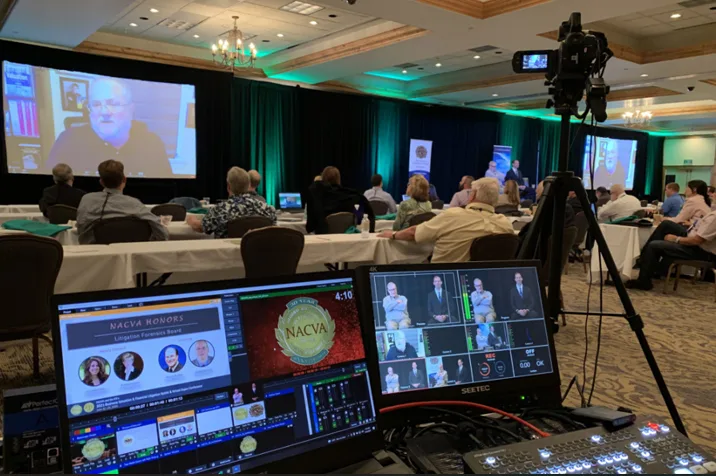
Live streaming can be a game-changer for your event, and it’s perfect in several scenarios. (Credit: Freepik)
1. Expanding Your Reach
One of the biggest advantages of live streaming is that it breaks free from physical venue limitations. Whether you’re hosting a concert, a workshop, or a product launch, live streaming lets you share your event with a global audience instantly. This means more people can join in, no matter where they are.
2. Enhancing Accessibility
Live streaming makes it easy for anyone to tune in, making your event more accessible to a diverse audience. It’s a fantastic way to include people who might not be able to attend in person, promoting inclusivity and broadening your event’s reach.
3. Boosting Your Brand
If you’re looking to elevate your brand, live streaming is a powerful tool. It lets you host virtual events, showcase new products, and engage with your audience in real time. This kind of direct interaction not only boosts brand exposure but also helps build stronger connections with your audience.
In short, live streaming is ideal when you want to reach a larger audience, make your event accessible to more people, and strengthen your brand presence.
What Is Video Conferencing?
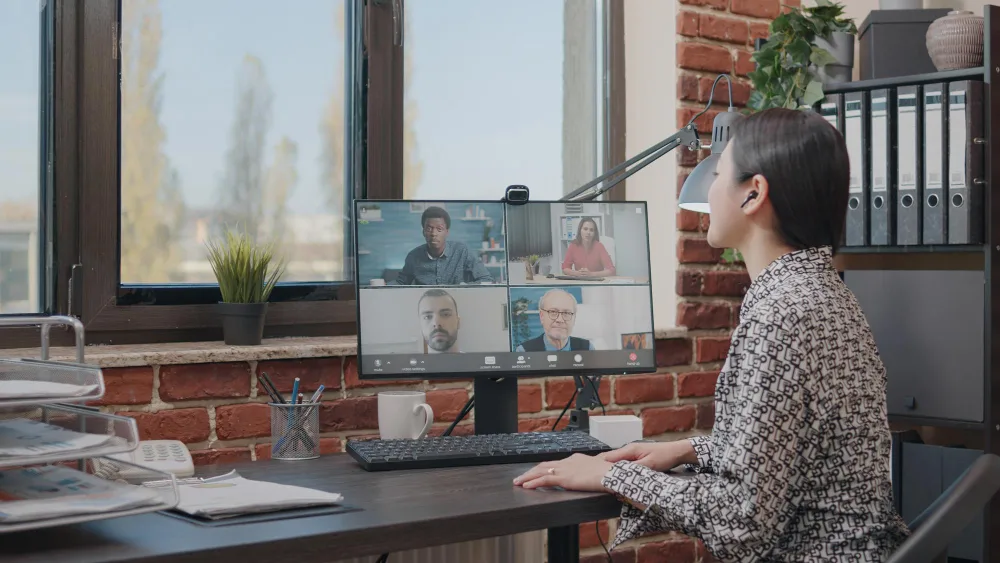
Video conferencing bridges the gap between remote teams. (Credit: Freepik)
Video Conferencing is a tool for speakers to present their topics to the attendees of the event, with the ability to create a space for discussion. This separates itself from live streaming as video conferencing allows people to ask questions through video, as oppose to posting them on a discussion board.
Video conferencing can be defined as to conducting a video conference or video teleconference in which two or more sets of hardware and software interact while simultaneously transmitting and receiving video and audio signals from two or more geographic locations.
Video conferencing may also involve sharing documents, various presentation materials, whiteboards, flip charts and similar group presentation visual aids. Use video conferencing if you’re hosting smaller meetings internally, with external stakeholders or meetings where a smaller group is collaborating and sharing screens.
Video Conferencing Advantages

Video conferencing bridges the distance, allowing seamless face-to-face interactions. (Credit: Freepik)
1. Collaborative Work and Document Sharing
Participants can use video conferencing to communicate with one another and utilise other collaboration tools such as whiteboard, text exchange, file sharing, media sharing, screen sharing, electronic voting and conference recording.
2. Enhanced Mode of Communication
With the ability to communicate through collaborative tools, this gives an added advantage of better clarity of the idea being conveyed.
3. Meeting Efficiency and Productivity
By eliminating time and district barriers, meetings can be hosted anytime, anywhere with anyone. In this way, meetings are more effective and with rich collaboration tools, decisions can be made faster.
Video Conferencing Disadvantages
1. The Absence of Personal Interaction
Nothing would replace a personal interaction like a handshake. A video conference may prove insufficient to achieve building business relationships.
2. Technical Problems
Working with hardwares is always associated with technical problems like network connection issues and software issues. It will be detrimental if these problems occur at the crucial moments.
3. Lag in Response
Even though participants can be from across the globe, there are some difficulties faced due to this long distance. A slight delay between responses that come from one side to the other side of the world is very common. Anticipate this to happen when a video conference that involves global participation with a large group.
When Is Video Conferencing Ideal for Your Event?
Video conferencing can be a real game-changer for your events, especially when clear communication and collaboration are key. Here’s when video conferencing really shines:
1. Face-to-Face Interaction
If you need effective communication with clear understanding, video conferencing is perfect. It allows you to see and hear each other just like in person, capturing those important nonverbal cues and gestures that help make interactions smoother and more engaging.
2. Sharing Multiple Screens
When your event involves presentations or demonstrations, video conferencing platforms let you share multiple screens at once. This feature is great for showing off your work, providing visual examples, or collaborating in real-time during meetings, training sessions, or sales demos.
3. Boosting Productivity
Video conferencing makes it easier to connect instantly with stakeholders, improving communication efficiency. This convenience can streamline processes, enhance team collaboration, and even boost employee retention, giving you a competitive edge.
In short, if you need seamless communication, collaborative tools, and a boost in productivity, video conferencing is your go-to.
Live Streaming vs Video Conferencing, Which Is Better for You?

Live streaming and video conferencing together offer a dynamic blend of real-time interaction and broad audience reach. (Credit: Freepik)
While live streaming commands a wider audience outreach, video conferencing works for smaller group interactions. Especially for one-on-one meetings, a video conference tool allows both parties to interact. In this type of virtual meeting solution, you can discuss in live time while seeing the other person’s face. Even for small groups, video conferences work better than live streaming.
Live streaming can be good for your brand in building awareness. There is no doubt that live streaming can help you stand out of the crowd and can show your customers that your brand is open for innovative and up-to-date solutions. However, video conferencing works for one on one meetings where 2-way interaction is required. Plus, you can handle more sensitive information in a closed setting as opposed to live streaming.
Determine the purpose of hosting a meeting, the crowd size of it, the mode of communication and environment carefully before using the above comparison points to decide if live streaming or video conferencing is viable to attain your meeting agenda.
Or, you can always blend the best of live streaming and video conferencing to the next level. Here’s how you can use both technologies together to boost engagement and interaction:
1. Hybrid Events
Why not mix in-person and virtual experiences with hybrid events? This approach combines the personal touch of face-to-face interactions with the broad reach of online audiences. It’s a win-win for expanding your event’s reach while maintaining that valuable direct engagement.
2. Interactive Elements
Make your live streams more engaging by adding interactive features from video conferencing. Incorporate live discussions and Q&A sessions to encourage real-time participation. This makes your event feel more dynamic and responsive to your audience’s input.
3. Breakout Sessions
For a more focused experience, use video conferencing for breakout sessions during your live stream. This allows you to split participants into smaller groups for detailed discussions or activities, enhancing collaboration and targeted information sharing.
Combining these technologies not only ramps up audience involvement but also helps you cater to different preferences and needs. By merging live streaming with video conferencing, you can create a more immersive and interactive event experience.
In Short
To make this all work seamlessly, choosing the right event management software is crucial. A reliable platform that supports both live streaming and video conferencing like Micepad will definitely make it easier for you to integrate these elements and create a dynamic event experience.
So, whether you’re looking to reach a global audience with live streaming, foster interactive discussions with video conferencing, or combine both for a comprehensive event, Micepad has you covered. Let us help you make your next event a standout success! Request a demo today.

See virtual events in action
Streams, breakouts, polls, and 1,000+ concurrent viewers — all in one platform.