How to Make the Most Out of Your Meeting in Singapore
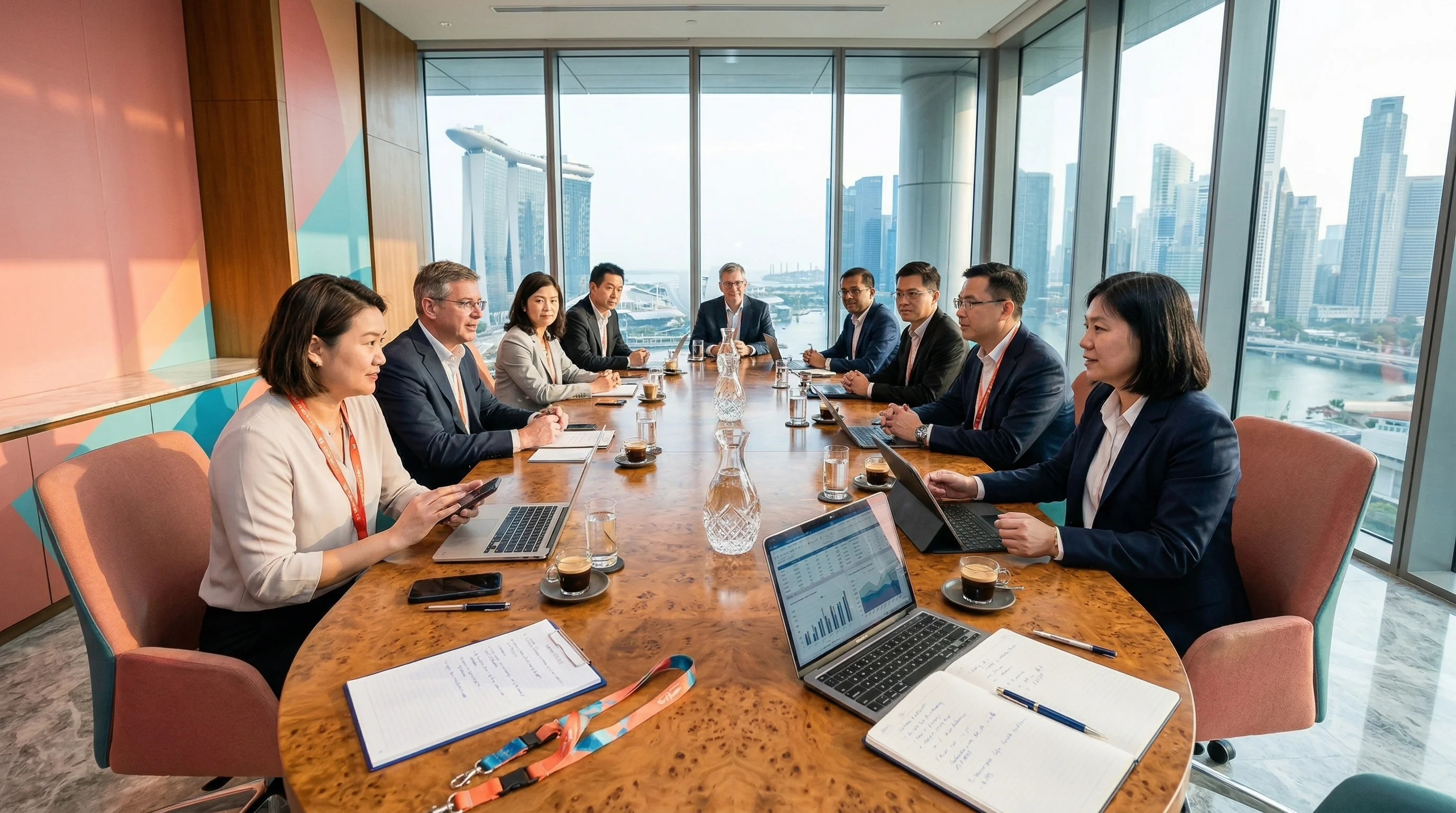
Singapore is one of the most well-connected cities in Asia for business travel. Its central location, strong infrastructure, and established convention ecosystem make it a natural hub for regional conferences, corporate meetings, and incentive trips. If your next MICE event is scheduled there, a little preparation goes a long way toward getting real value out of the trip.
Plan Your Agenda Before You Land
The most common mistake business travellers make is treating agenda planning as something that happens on the plane. By then, it's too late to do it properly.
A solid pre-trip agenda covers:
- The names and roles of the people you're meeting and what you need from each interaction
- The specific topics you need to cover — not just "discuss the partnership" but the actual questions and decisions on the table
- The physical locations of each meeting and how long it takes to get between them
- Buffer time between sessions for travel, meals, and the unexpected
Singapore's Mass Rapid Transit (MRT) system is reliable and extensive, but CBD traffic during peak hours can be unpredictable. If your meetings are spread across Marina Bay, One-North, and Orchard in a single afternoon, build in more time than you think you need.
Share your itinerary with your team before you leave. If your schedule changes on the ground — and it usually does — having a baseline document to deviate from is much easier than rebuilding from memory.
Run Meetings That Are Actually Productive
Getting the logistics right is necessary but not sufficient. The quality of the meeting itself is what determines whether the trip was worth taking.
A few practices that consistently improve meeting outcomes:
Send materials in advance. Decision-makers in Singapore are busy. If you want them to engage with data, proposals, or concepts, send those documents at least two days before the meeting. People who arrive prepared move faster through the agenda.
Clarify the purpose of each session at the start. Is this a briefing, a working session, or a decision-making meeting? The answer changes how you structure the time. A briefing is one-directional; a working session needs whiteboard time and active participation; a decision meeting needs the right people in the room and a clear process for reaching a conclusion.
Assign someone to take notes. This sounds obvious, but it gets skipped constantly. Distributed notes — sent to all participants within 24 hours — confirm shared understanding, capture commitments, and reduce the chance that people leave with different interpretations of what was agreed.
End with clear next steps. Who is doing what, by when? If that question isn't answered before people leave the room, the meeting has unfinished business.
Use Technology to Support the Meeting
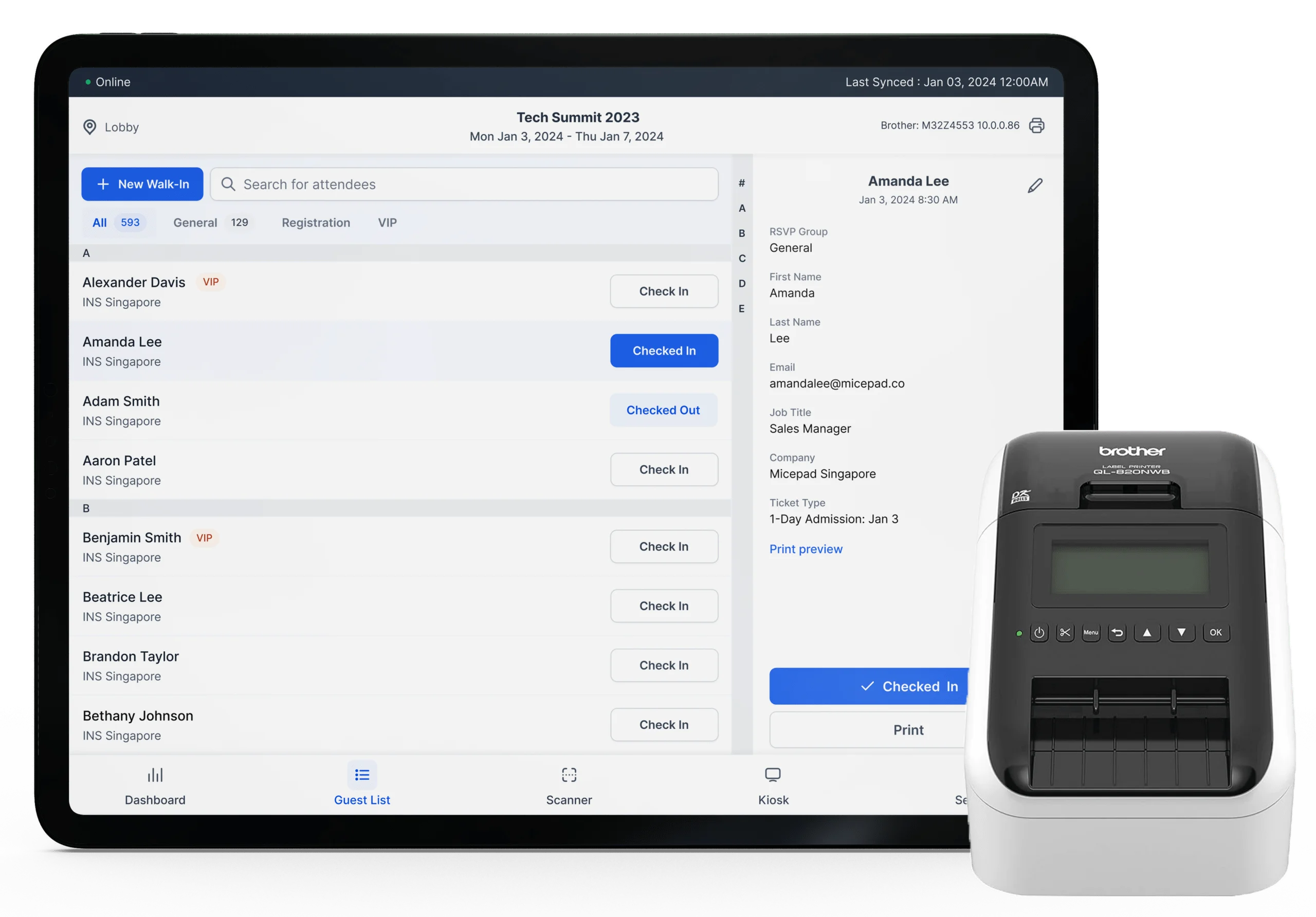
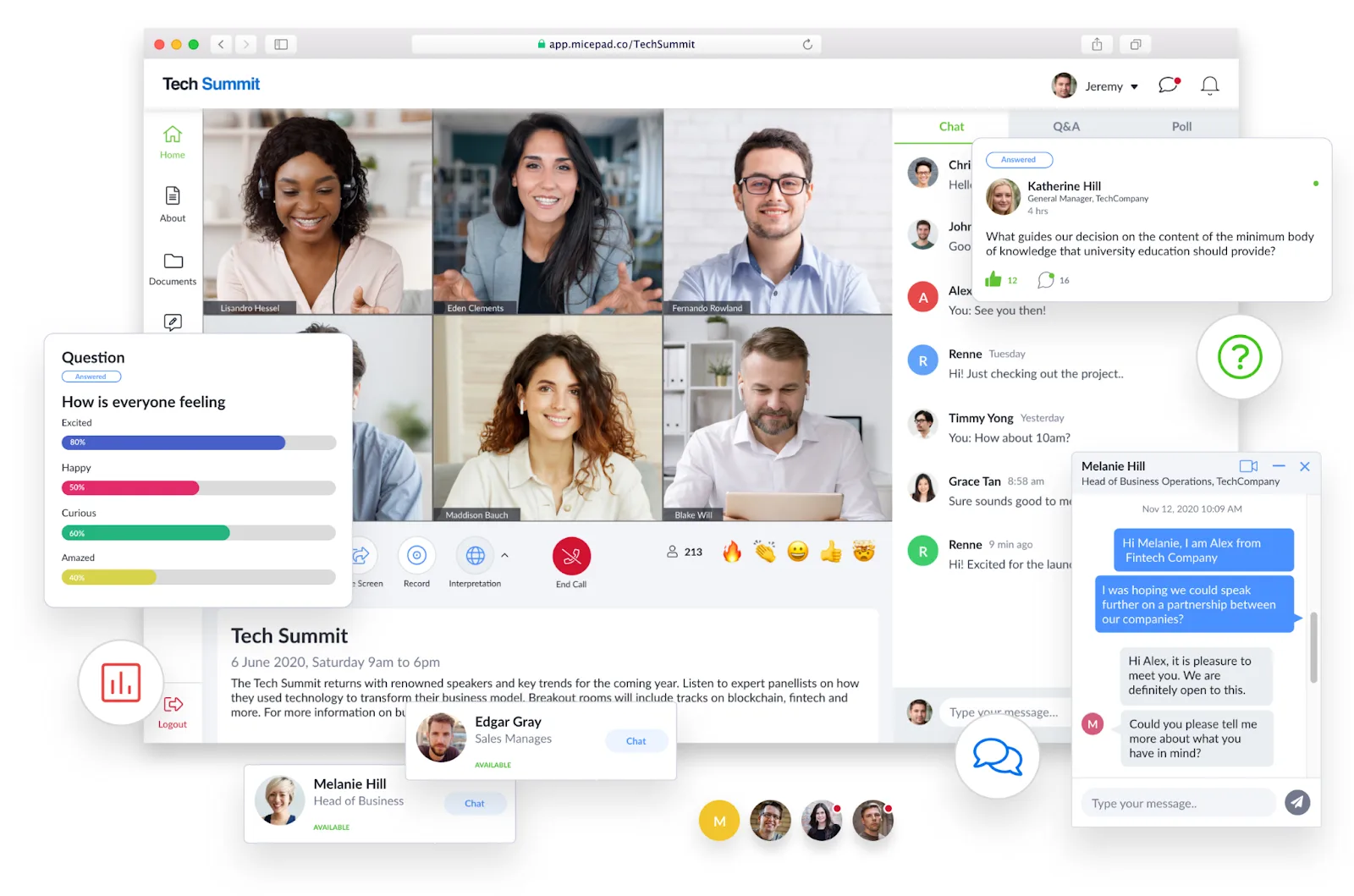
Event management tools and collaboration software have made it considerably easier to run multi-participant meetings across organisations. For larger corporate gatherings — town halls, leadership summits, company-wide briefings — a meeting or event app lets participants follow the agenda in real time, submit questions, respond to polls, and receive materials without paper handouts.
For smaller meetings, simpler tools work better. A shared digital agenda, a collaborative note-taking document, and a video conferencing link for remote participants covers most bases without adding friction.
Whatever tools you use, test them before the meeting starts. A ten-minute technical delay at the beginning of a two-hour session costs more than just the time — it disrupts the pace and signals poor preparation.
Network Deliberately
Singapore's business community is dense and well-networked. A conference or corporate event there is often as valuable for the conversations in the hallway as the ones in the meeting room.
A few things that help:
Arrive with a clear sense of who you want to meet. Look at the attendee list in advance if it's available. Identify two or three people you specifically want to connect with and make a plan to find them — don't leave it to chance.
Have something worth saying. The most memorable introductions are ones where you bring something useful: an insight, a mutual connection, a question that shows you've done your homework. Generic small talk is forgettable.
Follow up the same day. Memory fades quickly after an event. A brief follow-up message — sent while the conversation is still fresh — is far more likely to lead somewhere than an email sent a week later.
Use LinkedIn immediately. Exchanging business cards is still common in Singapore, but connecting on LinkedIn while you're in the room ensures you don't lose the contact when the card gets buried in a bag.
Build in Time to Actually See Singapore
Singapore is an easy city to spend three days in without seeing anything outside a hotel and a conference centre. That's a missed opportunity.
The city has a high density of interesting options within a small geographic area. The Marina Bay waterfront, Chinatown, the Botanic Gardens, Clarke Quay, and Sentosa are all accessible from the CBD without much transit time. The food culture alone is worth exploring — hawker centres like Maxwell Food Centre and Lau Pa Sat offer an enormous range of local food at very accessible prices.
If time is limited, even a single extended lunch break spent somewhere other than the hotel restaurant changes your experience of the trip. Singapore's hawker centres are fast, affordable, and a more genuine representation of how the city eats than most hotel restaurants.
For trips where you're extended by a day at either end, the options expand significantly. The Southern Ridges walk, Little India, Haw Par Villa, and Pulau Ubin are all worth the extra effort.
What to Keep in Mind About Singapore's Business Culture
A few cultural notes that matter in a professional context:
Punctuality is taken seriously. Arriving late to a meeting in Singapore sends a signal you don't want to send. Build extra travel time into your schedule.
Hierarchy still matters in many organisations. In formal meetings, be aware of who the decision-makers are and address them directly when appropriate. Decisions in large Singaporean or regional companies often require sign-off from senior stakeholders who may not be vocal participants in the meeting itself.
Business cards are still exchanged with both hands. Receiving a card and immediately putting it in your pocket without looking at it is considered dismissive. Take a moment to acknowledge it.
English is widely spoken and used in business settings, but many Singapore professionals also speak Mandarin, Malay, or Tamil. Code-switching in conversation is common and not something to read anything into.
Making the Trip Count
A business meeting in Singapore done well is a genuinely productive experience. The city's infrastructure makes logistics easier than most Asian business hubs, and the concentration of regional headquarters and decision-makers there means the right meetings can move things quickly.
Come prepared, run your sessions well, follow up promptly, and give yourself enough time to experience the place. That combination is how you make a Singapore meeting worth the investment.
Free event-tech resources
Practical guides, comparison breakdowns, and case studies — published weekly.